

“`html
DARK DECO: The Animated Series That Defined Batman
Introduction
Okay, let’s be honest. You’re here because you know Batman. You probably even *love* Batman. But how many of us can pinpoint a single, definitive version of the Dark Knight? One that truly *gets* him, that captures the gothic grit, the brooding detective, and the surprisingly tender heart beneath the kevlar? For many of us – and for a whole generation – that version is found within the shadows and striking angles of *Batman: The Animated Series*.
Before the gritty realism of Christopher Nolan, before the campy fun of Adam West, there was *Batman: The Animated Series* (BTAS). Debuting in 1992, this wasn’t just another cartoon; it was a cultural phenomenon. Its impact rippled through comic books, film, and animation, leaving an indelible mark on the Batman mythos that persists even today. But what was it about this animated show that made it so incredibly special? And why, decades later, are we still talking about it?
More Than Just a Cartoon: The Birth of an Aesthetic
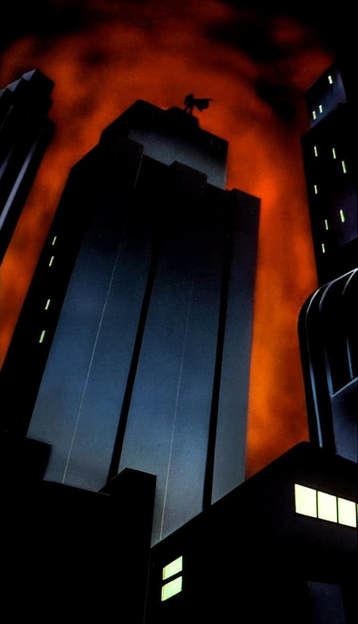
BTAS wasn’t just visually appealing; it was revolutionary. The “Dark Deco” style, a term coined to describe its unique blend of art deco architecture, film noir lighting, and gothic sensibilities, created a Gotham City that felt both familiar and terrifyingly alien. Think looming skyscrapers casting long, ominous shadows, gargoyles perched on every corner, and a perpetual twilight that hinted at the darkness lurking beneath the surface.
This visual language wasn’t just window dressing; it was intrinsic to the storytelling. The shadows mirrored Batman’s own internal struggles, the towering buildings amplified his feelings of isolation, and the gothic architecture underscored the city’s long history of corruption and decay. Gotham wasn’t just a backdrop; it was a character in itself, as vital to the narrative as Bruce Wayne.
Beyond the Visuals: Crafting Complex Characters
But the show’s brilliance extended far beyond its stunning visuals. BTAS dared to delve deeper into Batman’s psyche, exploring his motivations, his fears, and his unwavering commitment to justice. We weren’t just watching a hero punch bad guys; we were witnessing a deeply flawed, complex individual grappling with trauma and fighting to save a city that often seemed beyond redemption.
And it wasn’t just Batman who benefited from this nuanced approach. BTAS redefined many of Batman’s iconic villains, giving them tragic backstories and understandable motivations. Mr. Freeze, for example, transformed from a one-dimensional ice-themed criminal into a sympathetic figure driven by his love for his terminally ill wife. Poison Ivy became an eco-terrorist fighting to protect the environment, while the Joker, though still chaotic and unpredictable, was imbued with a dark, unsettling sense of humor.
By humanizing these villains, BTAS forced us to confront the complexities of morality and question the clear-cut distinctions between good and evil. It reminded us that even the most monstrous characters are often products of their circumstances, and that empathy, even for our enemies, is essential to understanding the world around us.
The Ripple Effect: A Legacy of Influence
The impact of BTAS is undeniable.
- Comic Books: The show’s influence on the comic books was immediate and profound. Characters like Harley Quinn, initially created for the series, quickly transitioned to the printed page and became integral parts of the Batman mythos. The show’s darker, more sophisticated tone also influenced the direction of many Batman comics, leading to more complex storylines and character development.
- Film and Television: The success of BTAS paved the way for more mature and complex superhero adaptations in film and television. Its visual style and thematic depth inspired filmmakers to take these characters more seriously, leading to the gritty realism of Christopher Nolan’s *Dark Knight* trilogy and the nuanced character studies of *Joker*.
- Animation: BTAS set a new standard for animated storytelling. It proved that animation could be more than just mindless entertainment for children, that it could explore complex themes, develop nuanced characters, and tell compelling stories that resonated with audiences of all ages.
Keeping the Spirit Alive: Learning from the Past
So, how can we keep the spirit of BTAS alive and ensure that its lessons continue to influence future generations of storytellers? Here are a few practical approaches:
- Revisit the Classics: The most obvious solution is to simply watch the show again (and again!). Immerse yourself in its atmosphere, pay attention to its storytelling techniques, and analyze its characters. Remind yourself what made it so special and consider how those elements can be applied to contemporary storytelling.
- Support and Promote Intelligent Superhero Media: Vote with your wallet. Support films, television shows, and comic books that prioritize character development, complex themes, and compelling narratives. Let creators know that you appreciate their efforts and that you want to see more of this type of content.
- Advocate for Nuance and Complexity: In a world that often seems to demand simplistic answers and clear-cut distinctions, advocate for nuance and complexity. Encourage creators to explore the grey areas of morality, to challenge our preconceived notions, and to create characters that are flawed, relatable, and ultimately, human.
- Learn from the Techniques: Animators, writers, and filmmakers can actively study the techniques used in BTAS. This includes analyzing the use of visual storytelling, character design, voice acting, and musical scoring. Understanding these elements can inform and improve their own creative processes.
Moving Forward: The Future of Dark Deco
*Batman: The Animated Series* wasn’t just a great show; it was a cultural touchstone. It redefined Batman for a generation and its influence can still be felt today. By revisiting the classics, supporting intelligent superhero media, advocating for nuance and complexity, and learning from its techniques, we can ensure that the spirit of *Batman: The Animated Series* continues to inspire and influence future generations of storytellers.
The legacy of *Batman: The Animated Series* is a reminder that even in the darkest of times, hope can still prevail. It’s a reminder that even the most flawed individuals can make a difference. And it’s a reminder that sometimes, the best stories are the ones that dare to explore the shadows and embrace the complexities of the human condition. So, let’s keep the bat-signal lit and continue to celebrate the animated series that defined Batman. The world needs it now more than ever.
“`
