

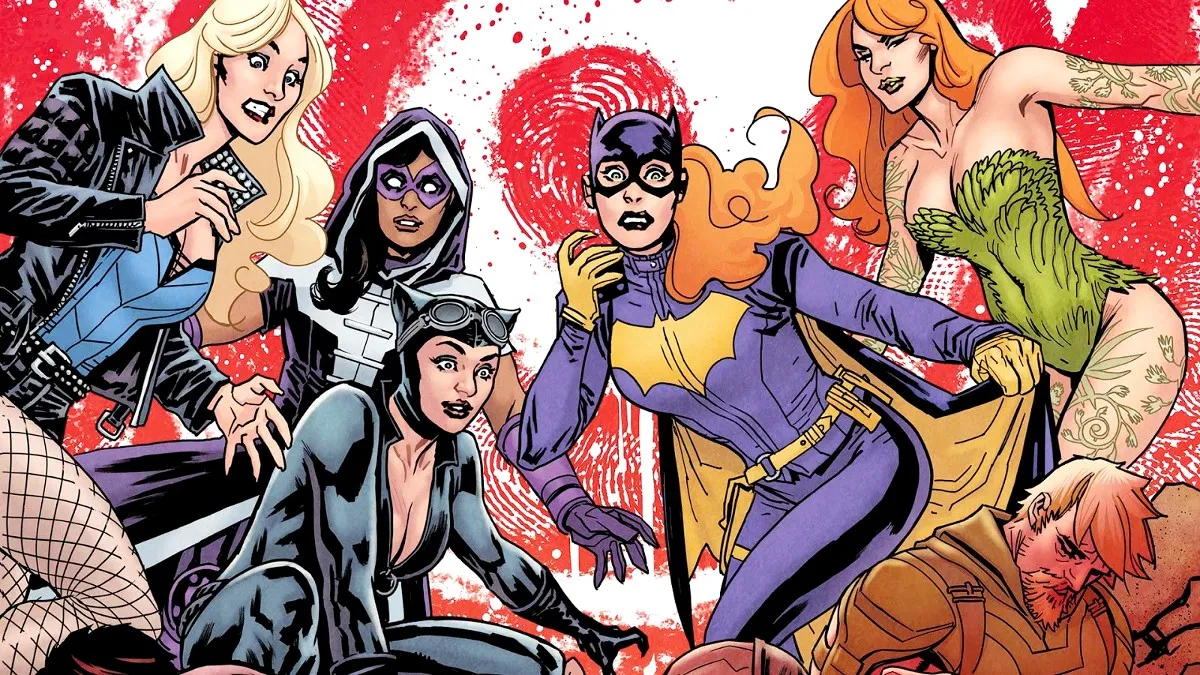
Batgirl: Legacy Erased
Introduction
Remember that feeling of seeing Batgirl soar across Gotham’s skyline? That electric current of empowerment, of a young woman breaking barriers and protecting the city? Yeah, me too. But what happens when that legacy, painstakingly built over decades of comic books, animated series, and even a live-action show, gets… erased?
The cancellation of the Batgirl film sent shockwaves through the DC fandom and beyond. More than just a movie getting shelved, it felt like a punch to the gut of representation, a silencing of a voice that resonated with so many. But let’s be real, this isn’t just about one film. It’s about the bigger picture: What does it mean when diverse stories are deemed expendable? What happens to the young girls (and boys) who saw themselves in Barbara Gordon’s grit and intelligence?
The cancellation’s impact, both short-term and long-term, deserves a closer look.
Explanation of the Problem
The Immediate Aftermath: Disappointment and Distrust
Initially, the cancellation sparked immense disappointment. For Leslie Grace, the actress poised to bring Batgirl to life, it was a professional setback. For the cast and crew, it meant their hard work would never see the light of day. But beyond that, there was a deep sense of betrayal felt by fans. A feeling that the studio prioritized bottom lines over the significance of representation.
Social media exploded with outrage. The hashtags #SaveBatgirl and #ReleaseBatgirl trended, with fans sharing their artwork, fan fiction, and personal stories of how Batgirl had inspired them. This collective voice underscored the powerful connection people felt to the character and the importance of seeing her story told.
The cancellation also fueled distrust in the studio’s commitment to diverse storytelling. Many questioned whether Warner Bros. Discovery truly understood the value of Batgirl’s legacy and the impact she had on audiences, especially young women and people of color.
The Long Shadow: Representation and the Future of Superhero Stories
The Batgirl film’s erasure raises critical questions about the future of representation in superhero media. It shines a spotlight on the inherent risks that exist when studios prioritize profit over artistic integrity and cultural impact.
One long-term impact could be a reluctance from actors and filmmakers to invest in superhero projects perceived as risky or susceptible to sudden cancellation. This could particularly affect projects featuring diverse characters or storylines, potentially hindering progress toward a more inclusive and representative superhero landscape.
Furthermore, the cancellation sends a disheartening message to young fans who looked to Batgirl as a role model. It reinforces the notion that their stories are not as valuable or important, which can have a detrimental effect on their self-esteem and sense of belonging.
However, it’s not all doom and gloom. The outcry surrounding the cancellation also demonstrated the power of collective action. Fans made their voices heard, forcing a conversation about representation and the importance of diverse storytelling. This momentum can be channeled into positive change. So, how do we move forward?
Solutions
Reclaiming the Narrative: Practical Solutions and a Path Forward
While we can’t rewind time and un-cancel the film, there are several proactive steps we can take to reclaim Batgirl’s legacy and ensure that diverse stories continue to be told:
- Support Independent Creators: One of the most powerful things we can do is support independent comic book creators, writers, and filmmakers who are committed to diverse representation. Platforms like Kickstarter and Patreon allow us to directly fund projects that might otherwise be overlooked by mainstream studios.
- Example: Consider supporting independent comic creators who are focusing on female-led stories or diverse characters. There are many amazing artists and writers building their own universes and telling incredible tales.
- Amplify Diverse Voices: Use social media and other platforms to amplify the voices of diverse creators and share their work with a wider audience. Reviews, recommendations, and simply sharing their content can make a huge difference.
- Example: Create a list of diverse comic book writers and artists to follow and share their work regularly. Participate in online discussions about representation in superhero media and advocate for more inclusive storytelling.
- Demand Transparency from Studios: Hold studios accountable for their decisions and demand greater transparency about their commitment to diverse representation. Let them know that you expect to see more inclusive casting, storylines, and creative teams.
- Example: When a studio announces a new superhero project, research the creative team and their track record on representation. If you have concerns, voice them on social media and through direct feedback to the studio.
- Create Your Own Content: Don’t wait for permission. If you have a story to tell, tell it! Whether it’s writing fan fiction, creating fan art, or even developing your own comic book series, there are countless ways to contribute to the Batgirl legacy and promote diverse storytelling.
- Example: Start a Batgirl-themed blog or podcast where you discuss her comic book appearances, animated series, and impact on pop culture. Or, create your own Batgirl fan film or comic strip and share it online.
- Educate Others: Have conversations with friends, family, and colleagues about the importance of representation and the impact of the Batgirl cancellation. Help them understand why diverse stories matter and how they can support inclusive storytelling.
- Example: Share articles and videos about representation in media with your social network. Participate in discussions about the importance of diverse role models and the impact of seeing oneself reflected in popular culture.
Alternative Approaches: A Toolkit for Change
Beyond these core solutions, there are several alternative approaches we can explore:
- Fan-Led Initiatives: Organize fan-led initiatives to celebrate Batgirl’s legacy and promote her story. This could include online conventions, fan film festivals, or charity events in her name.
- Educational Campaigns: Launch educational campaigns to raise awareness about the lack of representation in superhero media and advocate for more inclusive storytelling.
- Partnerships with Non-Profits: Partner with non-profit organizations that support diversity and inclusion in the entertainment industry to create mentorship programs and provide opportunities for aspiring diverse creators.
Conclusion
The cancellation of the Batgirl film was a setback, no doubt. But it doesn’t have to be the end of her story. By reclaiming the narrative, supporting diverse creators, and demanding transparency from studios, we can ensure that Batgirl’s legacy lives on and that future generations have the opportunity to see themselves reflected in the superhero stories they love.
Let’s use this moment as a catalyst for change. Let’s channel our disappointment into action and work together to create a more inclusive and representative superhero landscape. The future of Batgirl, and countless other diverse characters, is unwritten. Let’s make sure it’s a future filled with hope, empowerment, and representation for all. It’s time to rise. It’s time to be the heroes our stories deserve.
