

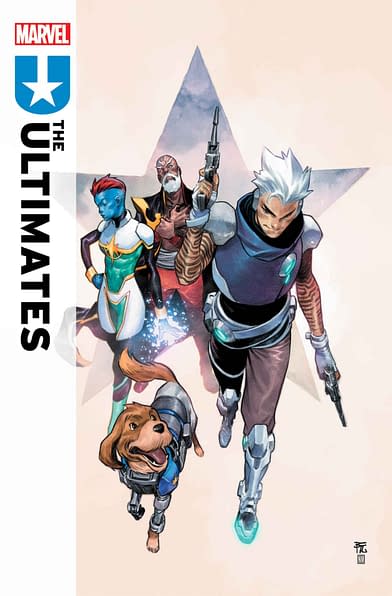
Unleash Your Inner Creator: The Ultimate Comic Book Resource Vault
Introduction
Ever felt that itch, that burning desire to tell a story so compelling, so visually stunning, that it jumps off the page and grabs readers by the throat? You’ve envisioned the world, the characters, the dramatic twists and turns of your own comic book masterpiece, haven’t you?
But then… reality hits. Where do you even *begin*?
The truth is, bringing a comic book to CITA4D life can feel like scaling Mount Everest with a spork. The sheer volume of knowledge required – writing, illustration, lettering, coloring, printing (or digital distribution!) – can be overwhelming. You stare at that blank page (or screen), and the vibrant vision in your head starts to fade, replaced by a gnawing feeling of inadequacy. Sound familiar?
Explanation of the Problem: A Creative Logjam
This isn’t just about feeling a little frustrated. The lack of accessible, practical resources creates a real creative logjam.
- Short-Term Impact: That initial spark of inspiration fizzles out. You procrastinate, get distracted, and eventually, that comic book idea gets shelved, joining the ranks of countless unfinished projects. The immediate result? Disappointment, lost potential, and a nagging feeling of unfulfillment.
- Long-Term Impact: Over time, these shelved projects accumulate. You start to doubt your abilities, your passion wanes, and you risk losing that vital connection to your creative self. The world misses out on your unique story, and you miss out on the joy and satisfaction of bringing it to life.
But don’t despair! The good news is that the barriers to comic book creation are lower than ever before. You don’t need a fancy art school degree or a publishing house contract to start. All you need is the right knowledge and the right tools. That’s where this resource vault comes in. We’re going to break down the process, demystify the jargon, and equip you with the practical knowledge you need to unleash your inner creator.
Solutions
Solution 1: Mastering the Art of Visual Storytelling
At its heart, comic book creation is visual storytelling. You’re not just drawing pretty pictures; you’re crafting a narrative using panels, dialogue, and visual cues.
- Understanding Panel Layout: Learn how to guide the reader’s eye across the page, creating a dynamic and engaging reading experience. Experiment with different panel shapes, sizes, and arrangements to convey different emotions and pacing. For example, a long, horizontal panel can create a sense of wide-open space, while a series of smaller, vertical panels can build tension.
- Character Design Fundamentals: Your characters are the heart and soul of your story. Develop compelling characters with distinct visual traits, personalities, and backstories. Study character design principles like silhouette, proportion, and expression. Think about how subtle details like clothing, hairstyle, and posture can communicate a character’s personality.
- Perspective and Anatomy Basics: Even if you don’t aim for hyper-realism, a basic understanding of perspective and anatomy is crucial for creating believable characters and environments. There are countless online resources and tutorials that can help you master these fundamentals.
Case Study: Consider the work of Frank Miller on *Sin City*. His bold, black-and-white artwork, combined with dynamic panel layouts and iconic character designs, creates a unique and unforgettable visual style that perfectly complements the gritty noir narrative.
Solution 2: Scripting Like a Pro
A compelling story is the foundation of any great comic book.
- Start with a Solid Outline: Before you start writing dialogue, create a detailed outline that maps out the key plot points, character arcs, and themes of your story. This will help you stay focused and avoid getting lost in the details.
- Writing for Visuals: Remember that comic book scripts are different from novels or screenplays. Your script needs to clearly describe the visuals for each panel, including character actions, backgrounds, and camera angles. Use descriptive language that helps the artist visualize your story.
- Dialogue that Pops: Comic book dialogue should be concise, impactful, and character-driven. Avoid long, expository speeches. Instead, focus on using dialogue to reveal character and advance the plot.
Alternative Approach: Some writers prefer to write a “thumbnail script,” which combines a rough sketch of each panel with a brief description of the action and dialogue. This approach allows you to visualize the story as you write.
Solution 3: Digital Tools and Traditional Techniques
The digital age has revolutionized comic book creation, providing access to powerful tools at affordable prices. However, traditional techniques still hold a valuable place.
- Digital Art Software: Programs like Adobe Photoshop, Clip Studio Paint, and Procreate offer a wide range of tools for drawing, inking, coloring, and lettering. Experiment with different software to find the one that best suits your workflow and style.
- Traditional Media: Don’t underestimate the power of traditional media like pencils, inks, and watercolors. Traditional techniques can add a unique texture and feel to your artwork. You can even combine traditional and digital techniques, scanning your hand-drawn artwork and coloring it digitally.
- Lettering and Typography: Effective lettering is crucial for readability and visual appeal. Choose fonts that complement your artwork and story. Pay attention to spacing, kerning, and leading to ensure that your dialogue is easy to read.
Example: Many artists use a hybrid approach. They might pencil their pages traditionally, then scan them and use digital software for inking and coloring.
Solution 4: Building Your Community and Seeking Feedback
Creating a comic book can be a solitary endeavor, but it doesn’t have to be.
- Online Forums and Communities: Join online forums and communities dedicated to comic book creation. These communities provide a supportive environment where you can share your work, ask questions, and get feedback from other artists and writers.
- Conventions and Workshops: Attend comic book conventions and workshops to learn from industry professionals, network with other creators, and get your work seen by publishers and readers.
- Critique Groups: Form a critique group with other aspiring comic book creators. Regular feedback sessions can help you identify areas for improvement and stay motivated.
Final Thoughts: Your Journey Begins Now
Creating a comic book is a challenging but incredibly rewarding experience. It’s a journey of self-discovery, creative exploration, and the sheer joy of bringing your unique vision to life. Don’t let fear or self-doubt hold you back.
This resource vault is just a starting point. There’s a whole world of knowledge out there waiting to be discovered. The most important thing is to start. Pick up a pencil, open your software, and begin telling your story.
The world needs your voice, your vision, your comic book. Unleash your inner creator, and let your imagination take flight. The journey might be long, but the destination – seeing your comic book in the hands of eager readers – is worth every ounce of effort. So, what are you waiting for? Let’s create something amazing!
