

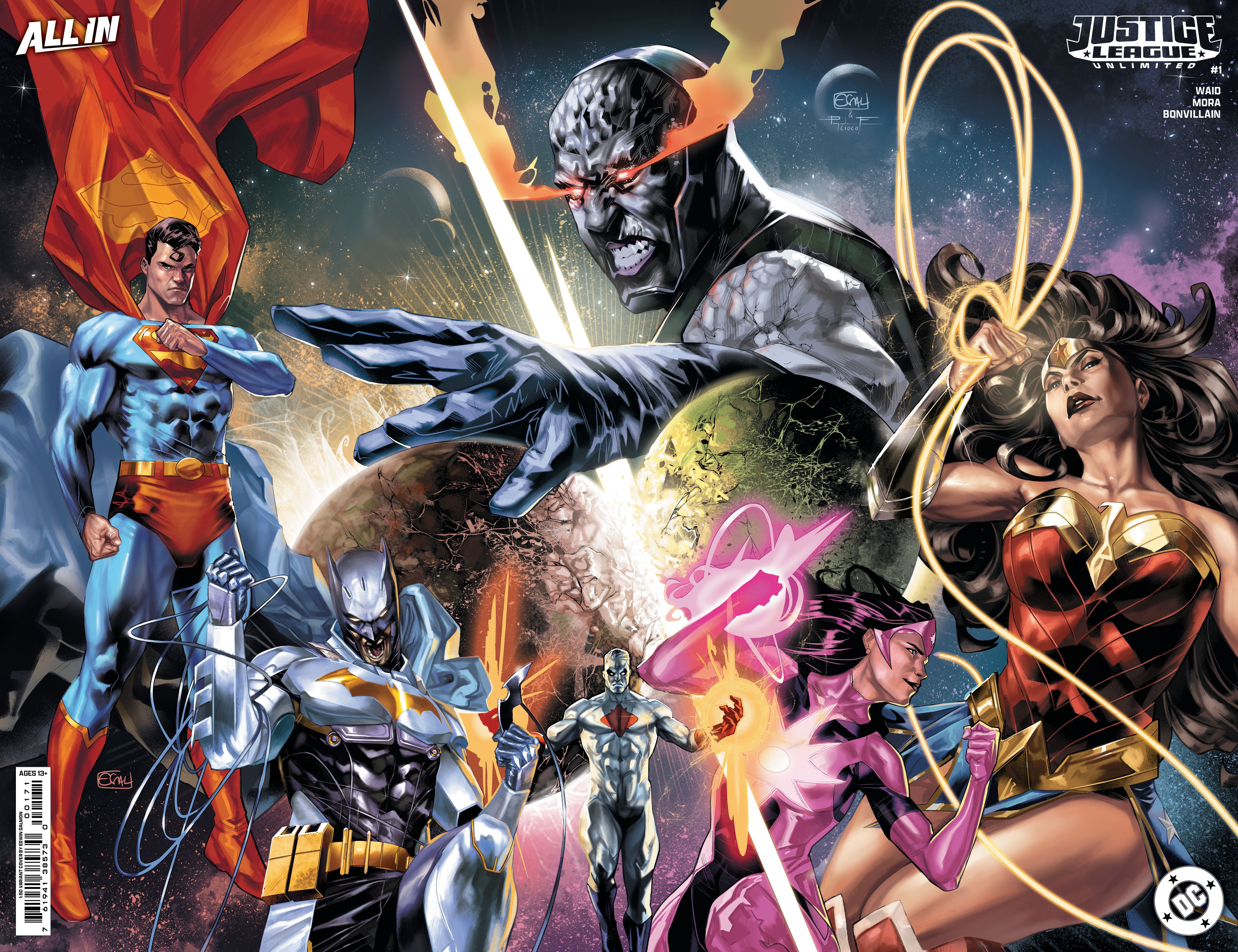
Justice League Unlimited: The Animated Epic That Redefined Superhero Team-Ups
Introduction
Remember Saturday mornings? Remember rushing to the TV, bowl of cereal in hand, to catch your favorite superheroes saving the world? For a generation, that meant tuning into the DC Animated Universe (DCAU), and culminating in a show that wasn’t just a cartoon, but a masterclass in storytelling: Justice League Unlimited. It wasn’t just good; it fundamentally changed how we viewed superhero team-ups, both in animation and beyond.
Before Unlimited, the Justice League, as depicted in its initial two-season run, Justice League, was a tight-knit group of seven iconic heroes: Superman, Batman, Wonder Woman, Flash, Green Lantern (John Stewart), Martian Manhunter, and Hawkgirl. They faced global threats, personal demons, and even each other, forging a compelling dynamic. But Unlimited blew the doors off.
Suddenly, the League was…massive. Dozens of heroes, from the well-known like Green Arrow and Black Canary to the more obscure like Crimson Avenger and Vigilante, populated the Watchtower. This wasn’t just window dressing; each character, even in brief appearances, felt authentic, adding depth and nuance to the overall narrative. The genius of Unlimited lay in how it juggled this immense cast while still delivering compelling, character-driven stories.
The Ripple Effect: Why Unlimited Still Matters Today
So, why are we still talking about a cartoon that ended nearly two decades ago? Because Justice League Unlimited’s impact is still felt across the superhero landscape.
- Expanding the Universe: Before Unlimited, team-up shows often focused on a core group, with occasional guest appearances. Unlimited flipped the script, proving you could maintain audience engagement even with a rotating roster. This paved the way for other animated projects like Young Justice and live-action endeavors like the ever-expanding Marvel Cinematic Universe, which relies heavily on ensemble casts and interconnected narratives. The scope and ambition of these projects simply wouldn’t be the same without the foundation laid by JLU.
- Deconstructing the Myth: The show wasn’t afraid to explore the complexities of power, the responsibility it entails, and the potential for corruption. Episodes like “The Question,” which explored themes of government surveillance and individual freedom, and “For the Man Who Has Everything,” a poignant look at Superman’s deepest desires, demonstrated that superhero stories could be thought-provoking and emotionally resonant. This helped mature the genre, attracting a wider audience and inspiring creators to delve deeper into the ethical dilemmas faced by these super-powered individuals.
- Character Development Beyond the Punch: While the action sequences were undeniably thrilling, Unlimited excelled at character development. It explored the motivations, flaws, and vulnerabilities of its heroes, making them relatable and human. Characters like Green Arrow, initially portrayed as a lighthearted archer, were given more depth and complexity, showcasing his commitment to social justice and his willingness to challenge authority. This emphasis on character work influenced later superhero adaptations, encouraging writers to prioritize emotional depth and psychological realism.
- Nurturing a Generation of Storytellers: Many writers and artists working on today’s superhero comics, movies, and TV shows grew up watching Justice League Unlimited. The show instilled in them a love for these characters and a desire to tell compelling stories within the superhero genre. It demonstrated the power of animation to tackle complex themes and deliver sophisticated narratives, inspiring a new generation of creators to push the boundaries of what’s possible.
Facing the Challenges: The Legacy Isn’t Without its Shadows
While Unlimited set a high bar, the road to replicating its success isn’t always smooth. The sheer scale of the show presented challenges that future adaptations often struggle with.
- Balancing Act: Character Focus vs. Ensemble Dynamics: With such a large cast, giving each character adequate screen time and development becomes a monumental task. Many ensemble superhero adaptations fall into the trap of prioritizing action over character, resulting in a shallow and unsatisfying experience. Maintaining a balance between showcasing individual heroes and developing meaningful team dynamics is crucial, and something that Unlimited consistently excelled at.
- The Risk of Dilution: Storytelling Under Pressure: Expanding the universe can lead to diluted storylines and a lack of focus. When there are too many characters and subplots vying for attention, the central narrative can become muddled, weakening the overall impact. Future adaptations need to be mindful of this risk, ensuring that each storyline contributes to the overarching narrative and that the core themes remain consistent.
- Finding the Right Tone: A Delicate Balance: Unlimited masterfully balanced serious themes with moments of levity, creating a tone that was both engaging and accessible. However, many adaptations struggle to find this balance, either becoming overly dark and gritty or overly campy and lighthearted. Striking the right tone is essential for capturing the essence of the superhero genre and appealing to a wide audience.
The Solutions: Learning from the Masters
How do we ensure that future superhero team-ups live up to the legacy of Justice League Unlimited?
- Prioritize Character-Driven Storytelling: Focus on the motivations, relationships, and inner conflicts of your characters. Explore their vulnerabilities and flaws, making them relatable and human. Ensure that each character has a distinct personality and purpose within the team dynamic.
- Strategic Cast Selection: Resist the urge to cram in every possible hero. Choose characters whose skills and personalities complement each other and whose stories contribute to the overall narrative. Don’t be afraid to leave out fan favorites if they don’t fit the story you’re trying to tell.
- Develop Clear Story Arcs: Create compelling narratives with clear beginnings, middles, and ends. Avoid convoluted subplots that distract from the central story. Ensure that each storyline serves a purpose and contributes to the overall themes.
- Embrace Nuance and Complexity: Don’t shy away from exploring complex themes and ethical dilemmas. Challenge your audience to think critically about the nature of power, the responsibility of heroism, and the consequences of their actions.
- Find the Right Tone: Strive for a balance between serious themes and moments of levity. Be mindful of the overall tone and ensure that it is appropriate for the story you’re trying to tell. Don’t be afraid to experiment, but always stay true to the essence of the superhero genre.
Examples in Action:
- Young Justice: Takes a similar approach to character focus, giving each team member room to grow and develop, balancing the large cast effectively.
- The Boys: A stark deconstruction of the superhero myth, exploring the dark side of power and corruption, showing the potential consequences of unchecked authority.
- Guardians of the Galaxy: Masterfully balances action with humor and heart, creating a unique and engaging tone that resonates with audiences.
A Brighter Tomorrow for Superhero Team-Ups
Justice League Unlimited wasn’t just a great show; it was a cultural touchstone. It demonstrated the potential of superhero team-ups to tell compelling stories, explore complex themes, and inspire a generation of creators. By learning from its triumphs and acknowledging its challenges, we can ensure that future superhero adaptations continue to push the boundaries of the genre and deliver unforgettable experiences.
The future of superhero team-ups is bright. By embracing the lessons of the past and daring to innovate, we can create stories that are both entertaining and meaningful, that challenge our assumptions and inspire us to be better versions of ourselves. So, let’s raise a glass to Justice League Unlimited, a show that redefined superhero team-ups and continues to inspire us to dream big, fight for justice, and never stop believing in the power of good.
