

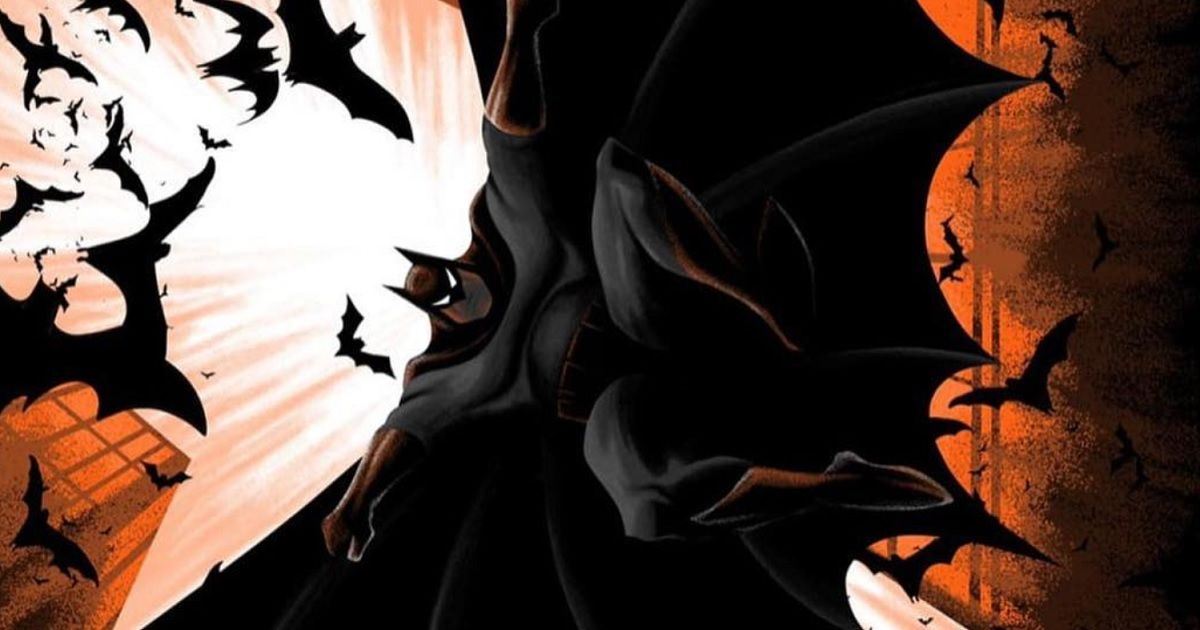
Batman: The Animated Series – The Dark Knight Redeemed
Remember rushing home after school, the anticipation building as the iconic Danny Elfman theme music filled the room? For many, *Batman: The Animated Series* wasn’t just a cartoon; it was a portal. A portal to a darker, richer, and far more nuanced Gotham than we’d ever seen before. It wasn’t just about catching bad guys; it was about exploring the broken psyche of Bruce Wayne and the complex moral landscapes of those he fought.
But here’s the thing: *Batman: The Animated Series* didn’t just redeem Batman as a character for a new generation; it redeemed the *idea* of mature, thoughtful animation itself. Let’s dive into why this show remains so vital, so impactful, and so utterly brilliant, even decades later.
The Problem: A World Drowning in Saturday Morning Clichés
Before *Batman: The Animated Series* swooped onto the scene in 1992, superhero animation was often relegated to campy, brightly colored affairs. Think simple plots, predictable villains, and dialogue dripping with cheese. While these shows certainly had their charm, they rarely explored the deeper themes or complexities of their source material. They were primarily targeted at very young audiences and rarely challenged them, or their older siblings, with anything approaching moral ambiguity. This created a problem: superhero animation was seen as inherently childish, a fleeting fad rather than a legitimate art form capable of serious storytelling.
Short-Term Impact: Initial Skepticism and Eventual Triumph
Initially, *Batman: The Animated Series* faced an uphill battle. Executives were wary of the show’s darker tone and visual style (more on that later). They worried it wouldn’t appeal to the target audience of children, who were accustomed to lighter fare. The short-term impact was a hesitant rollout, with some episodes airing out of order and a constant pressure to tone down the more mature elements.
However, the creative team, led by Bruce Timm and Eric Radomski, stood their ground. They believed in their vision, and thankfully, the audience responded. The show was a critical and commercial success, captivating viewers of all ages. This immediate triumph shattered the preconceived notions about what superhero animation could be, paving the way for more sophisticated and nuanced storytelling in the genre.
Long-Term Impact: A Legacy of Innovation and Influence
The long-term impact of *Batman: The Animated Series* is undeniable. It redefined the landscape of superhero animation and influenced countless other shows, movies, and games. Here are just a few examples:
- The “Dark Deco” Style: The show’s distinctive visual style, a blend of Film Noir aesthetics and Art Deco architecture, created a Gotham that was both timeless and terrifying. This “Dark Deco” look became synonymous with the character and influenced subsequent interpretations of Batman in comics, films, and video games. Think about Christopher Nolan’s *The Dark Knight* trilogy – you can see echoes of the animated series’ Gotham in its gritty realism.
- Complex Characters: The show’s writers took the time to flesh out the villains, giving them compelling backstories and motivations. Characters like Mr. Freeze, Harley Quinn, and Poison Ivy were transformed from one-dimensional antagonists into tragic figures, earning them the sympathy (and sometimes even the understanding) of the audience. This approach to villain development became a hallmark of the show and inspired other creators to explore the complexities of good and evil. Look at how shows like *Arrow* or *Gotham* have utilized sympathetic villains – it’s a direct lineage from *Batman: The Animated Series*.
- Mature Themes: *Batman: The Animated Series* tackled surprisingly mature themes, including loss, trauma, mental illness, and the corrupting influence of power. These themes were handled with sensitivity and nuance, making the show resonate with older viewers and challenging younger ones to think critically about the world around them. The show wasn’t afraid to ask tough questions and explore uncomfortable truths, setting a new standard for animated storytelling.
- Voice Acting Excellence: The voice acting in *Batman: The Animated Series* is legendary. Kevin Conroy’s portrayal of Batman is widely considered the definitive voice of the character, and Mark Hamill’s manic, unpredictable Joker is arguably the best the character has ever been. The show’s commitment to casting talented actors who could bring depth and nuance to their roles elevated the animation to new heights.
Redemption Strategies: What Can We Learn From *Batman: The Animated Series*?
So, how did *Batman: The Animated Series* manage to redeem both the Dark Knight and the medium of animation itself? Here are a few key strategies that we can apply to our own creative endeavors:
- Embrace Darkness: Don’t shy away from difficult or uncomfortable themes. Exploring the darker aspects of human nature can lead to more compelling and meaningful storytelling.
- Example: The episode “Heart of Ice” humanized Mr. Freeze, revealing his tragic backstory and giving viewers a reason to sympathize with his actions.
- Respect Your Audience: Don’t underestimate the intelligence or maturity of your audience. Challenge them with complex characters, nuanced plots, and thought-provoking themes.
- Example: The show never talked down to its viewers, even when dealing with complex topics like grief or mental illness.
- Focus on Character Development: Invest time in developing your characters, giving them compelling backstories, motivations, and flaws. Make them relatable, even if they’re villains.
- Example: Harley Quinn’s origin story was drastically changed from her comic book counterpart, making her a more sympathetic and complex character.
- Don’t Be Afraid to Experiment: Push the boundaries of your medium and try new things. Experiment with different styles, techniques, and approaches to storytelling.
- Example: The “Dark Deco” visual style of the show was a radical departure from traditional superhero animation, but it ultimately became one of its defining features.
- Commit to Quality: Strive for excellence in every aspect of your work, from the writing and animation to the voice acting and music.
- Example: The show’s attention to detail, from the meticulously crafted backgrounds to the evocative musical score, set it apart from other animated series.
Alternative Approaches: Finding Your Own Gotham
While *Batman: The Animated Series* offers a valuable blueprint, it’s important to find your own unique approach. Here are a few alternative strategies to consider:
- Focus on Specific Genres: Instead of trying to appeal to everyone, focus on a specific genre or subgenre. This will allow you to tailor your content to a specific audience and create something truly unique.
- Collaborate with Other Creators: Team up with other artists, writers, and filmmakers to bring your vision to life. Collaboration can lead to new ideas and perspectives that you might not have considered on your own.
- Embrace New Technologies: Experiment with new technologies and platforms to create innovative and engaging content. Virtual reality, augmented reality, and interactive storytelling are just a few of the possibilities.
- Learn From the Masters: Study the work of other successful creators and learn from their successes and failures. Attend workshops, read books, and watch documentaries to deepen your understanding of your craft.
Conclusion: The Dark Knight’s Legacy Endures
*Batman: The Animated Series* wasn’t just a great cartoon; it was a cultural milestone. It proved that animation could be sophisticated, thought-provoking, and deeply emotionally resonant. It redeemed Batman for a new generation and paved the way for a future where animation is recognized as a legitimate art form capable of telling complex and important stories.
The lessons learned from *Batman: The Animated Series* are timeless and universal. By embracing darkness, respecting your audience, focusing on character development, and committing to quality, you can create content that resonates with viewers and makes a lasting impact.
So, go out there and create your own Gotham. Tell your own stories. Push the boundaries of your medium. And never underestimate the power of a well-told tale. The world needs your vision, your voice, and your unique perspective. The legacy of the Dark Knight awaits.
