

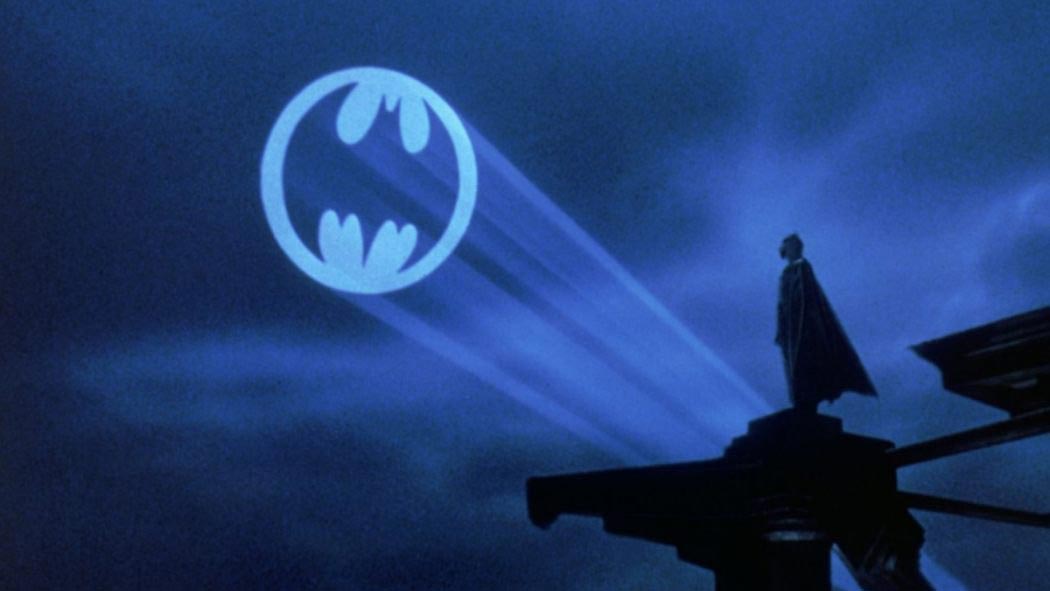
The Bat-Signal: Hope In Darkness
Introduction
Remember that feeling when you were a kid, flipping through comic books, and the Bat-Signal blazed across the Gotham skyline? It wasn’t just a symbol; it was a beacon. A promise that even in the darkest, grittiest corners of the city, help was on its way. What if we could harness that same sense of hope and direction in our own lives when facing challenges?
We all encounter periods of “darkness” – times when we feel overwhelmed, lost, or unsure of the path forward. It could be a career setback, a relationship struggle, a financial crisis, or even just a general feeling of being stuck. These moments can feel incredibly isolating, leaving us questioning our abilities and our future. But just like the citizens of Gotham, we need to remember that even in the deepest night, a signal can cut through the shadows, guiding us towards a brighter tomorrow.
The Immediate Impact: A Downward Spiral
The initial impact of these “dark” periods is often a steep decline. Think of it as a domino effect. A career setback can lead to financial worries, which can then strain relationships and erode self-confidence. This, in turn, can lead to decreased motivation, hindering our ability to seek out new opportunities or address the root cause of the problem. We find ourselves trapped in a cycle of negativity, where each challenge seems to amplify the previous one.
In the short term, this can manifest as:
- Increased Stress and Anxiety: The constant worry about the problem consumes our mental energy, leading to sleepless nights and heightened stress levels.
- Decreased Productivity: With our focus scattered and our motivation depleted, our work suffers, further compounding the initial issue.
- Strained Relationships: Our negativity and anxiety can seep into our interactions with loved ones, creating tension and distance.
- Compromised Health: Prolonged stress can weaken our immune system, making us more susceptible to illness and fatigue.
The Long Game: Stagnation and Regret
If left unaddressed, these short-term impacts can snowball into more significant long-term consequences. Think of it as letting a small crack in a foundation grow into a major structural flaw. The initial challenge becomes a defining narrative, shaping our decisions and limiting our potential.
The long-term impacts can include:
- Missed Opportunities: Fear of failure or a lack of confidence can prevent us from pursuing new ventures, hindering our personal and professional growth.
- Unfulfilled Potential: We may settle for mediocrity, never truly realizing our capabilities due to a lack of motivation or a belief in our limitations.
- Regret and Dissatisfaction: Years down the line, we may look back with regret, wondering what could have been if we had addressed the initial challenge with more resilience and determination.
- Chronic Mental and Physical Health Issues: Prolonged stress and negativity can contribute to chronic conditions such as depression, anxiety disorders, and cardiovascular problems.
Shining the Light: Practical Solutions for a Brighter Future
So, how do we activate our own “Bat-Signal” when darkness descends? How do we cut through the shadows and find our way back to the light? Here are some practical, actionable solutions that can help:
- Acknowledge and Accept:
The first step is to acknowledge that you’re facing a challenge. Don’t try to suppress your feelings or pretend that everything is okay. Instead, allow yourself to feel the emotions that arise – sadness, anger, frustration – without judgment. Acceptance is not about resignation; it’s about recognizing the reality of the situation so that you can begin to move forward.
Example: Let’s say you’ve been passed over for a promotion at work. Instead of dwelling on the unfairness of it all, acknowledge your disappointment and frustration. Allow yourself to feel these emotions without letting them consume you.
- Break It Down:
Overwhelming problems often feel insurmountable. Break them down into smaller, more manageable steps. This makes the challenge less daunting and allows you to celebrate small victories along the way, boosting your motivation.
Example: If you’re struggling with debt, don’t focus on the total amount. Instead, create a budget, identify areas where you can cut expenses, and set small, achievable savings goals. Each small step you take towards reducing your debt will build momentum and confidence.
- Seek Support:
You don’t have to face your challenges alone. Reach out to trusted friends, family members, or a therapist. Talking about your struggles can provide valuable perspective, emotional support, and practical advice.
Example: Feeling overwhelmed by a personal relationship issue? Instead of bottling up your emotions, schedule time to talk with a close friend or family member you trust. Their objective viewpoint can help you see the situation more clearly and identify potential solutions.
- Cultivate Resilience:
Resilience is the ability to bounce back from adversity. It’s not about avoiding challenges; it’s about developing the skills and mindset to navigate them effectively. Practice self-care, engage in activities that bring you joy, and focus on your strengths.
Example: Facing a career setback? Instead of dwelling on your failures, focus on your strengths and skills. Take a course to improve your skills, attend industry events, and network with other professionals. Remember your past achievements and use them as a source of inspiration and motivation.
- Reframe Your Perspective:
Challenges can often be opportunities in disguise. Try to reframe your perspective and look for the lessons or growth that can come from your experience.
Example: Losing your job can be a devastating experience. However, it can also be an opportunity to explore new career paths, start your own business, or pursue a passion project you’ve always dreamed of.
Multiple Paths to Light: Choosing Your Approach
Every individual is unique, and what works for one person may not work for another. Here are a few alternative approaches to consider:
- Mindfulness and Meditation: Practicing mindfulness can help you become more aware of your thoughts and emotions, allowing you to respond to challenges with greater clarity and composure.
- Goal Setting and Planning: Setting clear goals and creating a detailed plan of action can provide a sense of direction and purpose, helping you stay focused and motivated.
- Positive Affirmations: Repeating positive affirmations can help you challenge negative self-talk and build your self-confidence.
- Gratitude Practice: Focusing on the things you’re grateful for can shift your perspective and help you appreciate the good in your life, even during challenging times.
The Dawn Beckons: A Call to Action
The “Bat-Signal” isn’t just a symbol of hope; it’s a call to action. It’s a reminder that even in the darkest of times, we have the power to take control of our lives and create a brighter future. By acknowledging our challenges, seeking support, cultivating resilience, and reframing our perspectives, we can shine our own light and navigate our way back to the dawn.
Don’t let the shadows define you. Embrace the power within you, activate your own “Bat-Signal,” and start taking small steps towards a brighter tomorrow. You have the strength, the resilience, and the potential to overcome any obstacle. Believe in yourself, and remember that even the darkest night eventually gives way to the light.
