

“`html
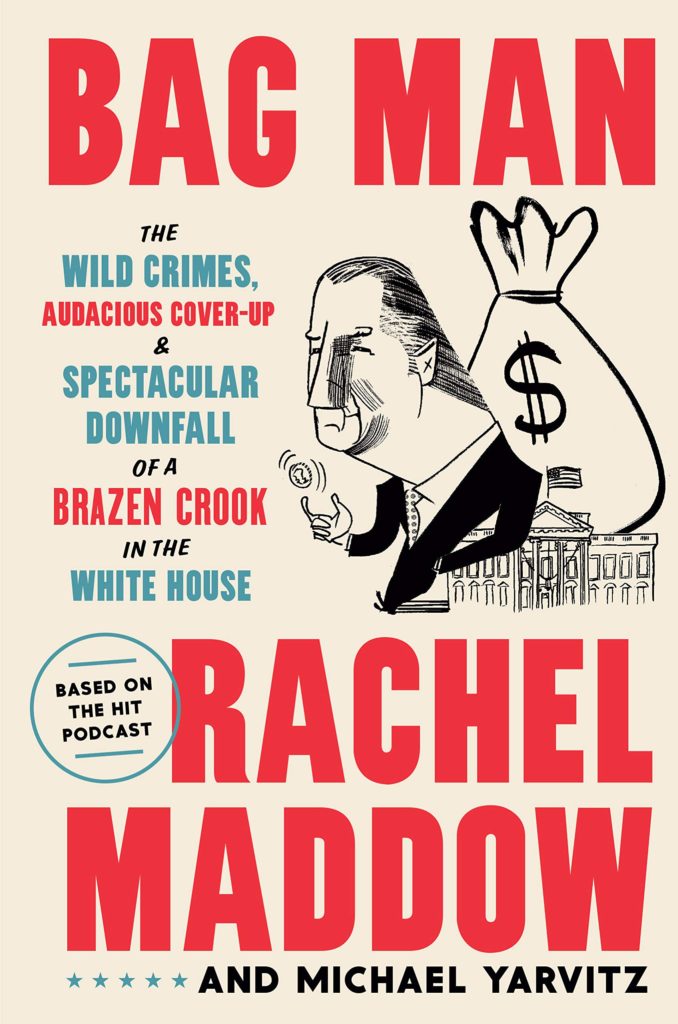
The Bagman’s Burden: Secrets, Shadows, and Stolen Futures
Introduction
We’ve all heard whispers about the “bagman.” That shadowy figure, often lurking in the periphery, greasing palms and facilitating deals best left unexamined. We might even dismiss them as characters from a dime-store novel, relics of a bygone era. But the truth is, the bagman – and the activities they represent – are far from fiction. They exist, thrive even, and their actions cast a long, dark shadow that steals not just money, but entire futures.
This isn’t just about briefcases stuffed with cash changing hands in dimly lit rooms. This is about a system, a culture, that allows corruption and illicit financial flows to flourish, eroding trust, stifling development, and ultimately, costing us all. Let’s delve into the bagman’s burden, explore its devastating impact, and, most importantly, discuss what we can do to lift this weight from our shoulders.
Beyond the Bribe: The Ripple Effect of Illicit Finance
The immediate impact of the bagman’s activities is obvious: funds diverted from their intended purpose. Think of schools left underfunded, hospitals lacking crucial equipment, or infrastructure projects stalled before they even begin. But the true cost extends far beyond these immediate consequences.
Short-Term Pain:
- Stunted Growth: When resources are siphoned off through corrupt practices, legitimate businesses struggle to compete. Investment dries up, innovation stagnates, and economic growth is choked. Imagine a promising tech startup forced to close its doors because it couldn’t compete with a competitor benefiting from illicit funds and political favoritism.
- Erosion of Public Services: As public funds vanish into private pockets, the quality of essential services like healthcare, education, and law enforcement suffers. This disproportionately affects vulnerable populations who rely on these services the most, widening the gap between the haves and have-nots.
- Increased Crime: Corruption breeds a climate of impunity, where laws are selectively enforced and those in power are often above the law. This creates a fertile ground for organized crime, drug trafficking, and other illicit activities, further destabilizing society.
Long-Term Scars:
- Erosion of Trust: Corruption undermines faith in institutions, governments, and even the rule of law itself. When citizens lose trust in the system, they become disengaged, apathetic, and less likely to participate in civic life. This weakens the social fabric and makes it harder to address other pressing challenges.
- Political Instability: Widespread corruption can fuel social unrest and political instability, as citizens demand accountability and justice. In extreme cases, it can even lead to regime change or violent conflict.
- Intergenerational Poverty: The long-term economic consequences of corruption can trap communities in cycles of poverty for generations. When opportunities are denied to those who deserve them, and resources are concentrated in the hands of a few, the future of entire communities is compromised.
Breaking the Cycle: Practical Solutions for a Cleaner Future
The bagman’s burden might seem insurmountable, but the truth is, we’re not powerless. There are concrete steps we can take, individually and collectively, to disrupt the systems that enable illicit finance and create a more transparent and accountable society.
Here are some practical solutions, offering different approaches to tackle this multifaceted problem:
- Strengthening Transparency and Accountability:
- Open Data Initiatives: Governments should proactively release public data on budgets, contracts, and financial transactions. This allows citizens and civil society organizations to monitor spending and identify potential red flags. For example, the Extractive Industries Transparency Initiative (EITI) promotes transparency in the oil, gas, and mining sectors, helping to ensure that revenues from these resources benefit the population.
- Whistleblower Protection: Implementing strong whistleblower protection laws that protect individuals who report corruption and misconduct is crucial. These laws should include anonymity, confidentiality, and protection against retaliation.
- Independent Auditing: Establishing independent auditing bodies with the power to investigate government spending and hold officials accountable for mismanagement or corruption is essential.
- Empowering Civil Society and Citizen Engagement:
- Supporting Investigative Journalism: Investigative journalists play a vital role in uncovering corruption and holding power to account. Supporting independent media outlets and investigative reporting projects is crucial.
- Promoting Civic Education: Educating citizens about their rights, the importance of good governance, and the mechanisms for holding their leaders accountable can empower them to demand change.
- Utilizing Technology: Technology can be a powerful tool for promoting transparency and accountability. For example, citizens can use mobile apps to report corruption, track government spending, and monitor the delivery of public services.
- Strengthening Financial Regulations and Enforcement:
- Enhanced Due Diligence: Financial institutions should implement robust due diligence procedures to identify and prevent illicit financial flows. This includes knowing their customers, monitoring transactions for suspicious activity, and reporting suspicious transactions to law enforcement.
- Beneficial Ownership Transparency: Requiring companies to disclose their true beneficial owners – the individuals who ultimately control them – can help to prevent shell companies from being used to hide illicit funds.
- International Cooperation: Combating illicit finance requires international cooperation. Countries must share information, coordinate investigations, and work together to enforce anti-money laundering laws.
- Ethical Leadership and Culture Change:
- Leading by Example: Leaders at all levels of society must demonstrate a commitment to ethical behavior and hold themselves and others accountable for their actions.
- Promoting Ethical Values: Organizations should promote ethical values and provide training to employees on ethical decision-making.
- Creating a Culture of Integrity: Cultivating a culture of integrity within organizations and society as a whole is essential to preventing corruption and promoting good governance.
Choosing Your Approach:
The beauty of these solutions is that they’re not mutually exclusive. You can choose to support investigative journalism, advocate for open data initiatives, or demand greater transparency from your elected officials. You can even start small, by simply being more mindful of the ethical implications of your own actions and choices.
For example, if you work in a company that bids on government contracts, you can ensure that your company adheres to the highest ethical standards and avoids any practices that could be construed as bribery or corruption. If you are a student, you can join a student organization that promotes good governance and anti-corruption efforts.
A Future Free from Shadows:
The bagman’s burden is heavy, but it’s not inescapable. By embracing transparency, empowering citizens, strengthening institutions, and fostering a culture of integrity, we can begin to lift this weight from our shoulders. It’s a long and challenging journey, but the rewards – a more just, equitable, and prosperous future for all – are well worth the effort. Let’s choose to be part of the solution, not part of the problem. Let’s choose to create a future where the shadows recede, and the light of accountability shines brightly for all to see. The future is not stolen, it is built, and we have the power to build it right.
“`
