

DC:Power Grid on the Precipice
Introduction
Ever feel like your phone is always on that dreaded 20% battery mark, flashing red and taunting you? Imagine that feeling, but applied to the entire power grid of Washington, D.C. – the very heart of American governance. Sounds a bit dramatic, right? Maybe. But the truth is, the District’s power grid is facing some serious challenges, and understanding them is crucial for everyone who calls this vibrant city home.
We’re not talking about imminent blackouts on a nightly basis. Think of it more like a slow simmer, a growing strain that, if left unaddressed, could lead to some pretty disruptive consequences down the line. From rising energy costs to increased vulnerability during extreme weather events, the cracks in our power infrastructure are starting to show.
So, what exactly is going on? And more importantly, what can we do about it? Let’s dive in and unpack the complexities of D.C.’s power grid, explore the potential impacts of inaction, and – crucially – brainstorm some actionable solutions.
The Perfect Storm: Challenges Facing D.C.’s Power Grid
D.C.’s power grid isn’t failing tomorrow, but it’s creaking under the weight of several converging factors. First, there’s the sheer age of the infrastructure. Much of the District’s power grid was built decades ago, designed for a different era with different energy demands. Like an old car, it’s starting to show its age, becoming less efficient and more prone to breakdowns.
Then there’s the rising demand. D.C. is a growing city, attracting new residents and businesses. More people and more businesses mean more electricity consumption. Add to that the increasing reliance on energy-intensive technologies, from electric vehicles to data centers, and the strain on the grid becomes even more pronounced.
And of course, we can’t forget about climate change. Extreme weather events, like heat waves and severe storms, are becoming more frequent and intense. These events can overload the grid, causing outages and damaging infrastructure. Remember the derecho that swept through the region in 2012? That’s a stark reminder of how vulnerable we can be.
Short-Term Pain, Long-Term Gain (or Loss): The Stakes Are High
Ignoring these challenges is not an option. In the short term, we could see more frequent power outages, particularly during peak demand periods or extreme weather events. Imagine trying to work from home during a sweltering summer day with no AC, or a key federal agency grinding to a halt due to a power failure. The economic costs of these disruptions can be significant.
Longer term, the consequences are even more concerning. An unreliable power grid can stifle economic growth, deter investment, and even impact public safety. Imagine a hospital losing power during an emergency, or traffic lights failing during rush hour. Moreover, a grid dependent on outdated technology is also less resilient to cyberattacks, posing a national security risk given D.C.’s unique position.
Furthermore, an inefficient grid contributes to increased greenhouse gas emissions, undermining D.C.’s ambitious climate goals. Continuing down this path will lead to higher energy costs for everyone, making it harder for families and businesses to make ends meet.
Bright Ideas: Practical Solutions for a Smarter Grid
Fortunately, the situation isn’t hopeless. There are several practical solutions we can implement to modernize D.C.’s power grid and ensure a reliable, sustainable energy future. Here are a few key approaches:
- Investing in Grid Modernization:This is the most obvious, but also the most crucial. We need to upgrade existing infrastructure with smarter technologies that can improve efficiency, reliability, and resilience. This includes installing advanced sensors, smart meters, and automated switches that can detect and respond to problems in real-time. Imagine a system that can automatically reroute power during an outage, minimizing the impact on customers.
- Example:Pepco, the utility company serving D.C., is already investing in grid modernization projects, but these efforts need to be accelerated and expanded.
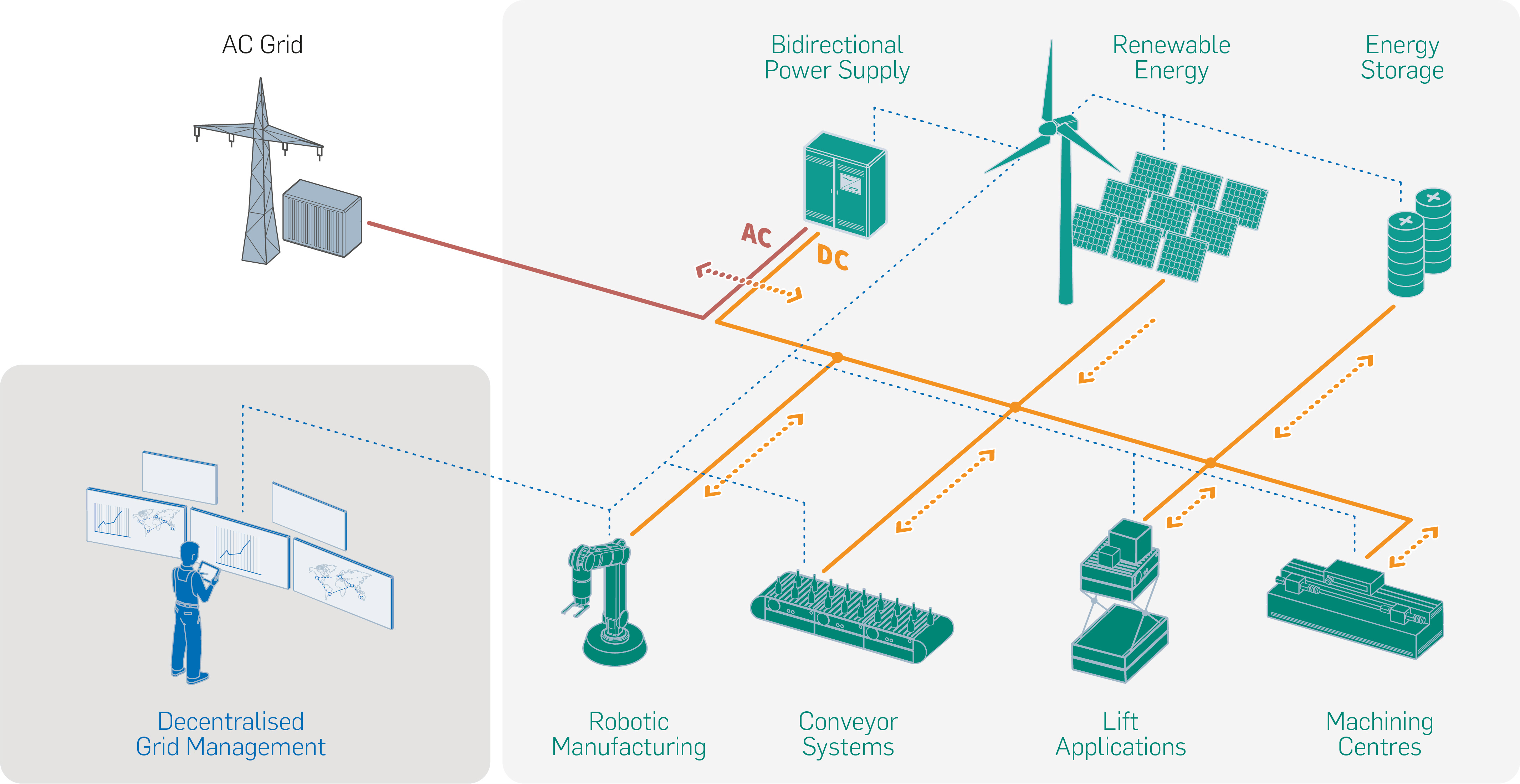
- Diversifying Energy Sources:Relying solely on traditional fossil fuels makes us vulnerable to price fluctuations and environmental risks. We need to diversify our energy mix by incorporating more renewable energy sources, such as solar, wind, and geothermal. D.C. has made progress in this area, but there’s still plenty of room for growth.
- Example:Community solar programs, which allow residents to subscribe to solar projects located elsewhere in the city, can make solar energy accessible to those who can’t install panels on their own roofs.
- Promoting Energy Efficiency:The cheapest energy is the energy we don’t use. By encouraging energy efficiency through incentives, rebates, and education programs, we can reduce overall demand and ease the strain on the grid. This includes upgrading appliances, improving insulation, and adopting energy-efficient lighting.
- Example:The Sustainable Energy Utility (SEU) offers a range of programs to help residents and businesses save energy and money. Expanding these programs and making them more accessible can have a significant impact.
- Embracing Distributed Generation:Instead of relying solely on centralized power plants, we can encourage the development of smaller, decentralized energy sources, such as rooftop solar panels, microgrids, and combined heat and power (CHP) systems. This can improve grid resilience and reduce transmission losses.
- Example:A neighborhood microgrid powered by solar and battery storage can provide backup power during outages, keeping essential services like hospitals and emergency response centers operational.
- Leveraging Smart Technologies:Smart grids rely on data analytics and communication technologies to optimize energy delivery and consumption. This includes using smart meters to provide real-time information to consumers, deploying advanced algorithms to predict demand, and using blockchain technology to facilitate peer-to-peer energy trading.
- Example:Apps that provide real-time energy usage data can empower consumers to make informed decisions and reduce their consumption during peak demand periods.
- Strengthening Grid Cybersecurity:With increasing reliance on digital technologies, it’s crucial to protect the grid from cyberattacks. This includes implementing robust security protocols, conducting regular vulnerability assessments, and training personnel to identify and respond to cyber threats.
Your Role in Powering the Future
Modernizing D.C.’s power grid is a collective effort that requires the participation of government, utilities, businesses, and individuals. As residents, we can play a vital role by adopting energy-efficient practices, supporting policies that promote renewable energy, and advocating for grid modernization investments. Here are a few specific actions you can take:
- Conduct an energy audit of your home or business. Identify areas where you can save energy and implement improvements.
- Switch to energy-efficient appliances and lighting. Look for the Energy Star label when making purchases.
- Consider installing solar panels on your roof. Take advantage of available incentives and rebates.
- Support community solar programs. Make solar energy accessible even if you can’t install panels on your own roof.
- Contact your elected officials and urge them to support policies that promote grid modernization and renewable energy.
Powering Up: A Brighter Future for D.C.
The challenges facing D.C.’s power grid are significant, but not insurmountable. By embracing innovative technologies, investing in grid modernization, and promoting energy efficiency, we can create a more resilient, sustainable, and affordable energy future for the District. It’s time to move beyond simply reacting to problems and start proactively shaping the future of our energy system. Let’s work together to ensure that D.C.’s power grid is ready to meet the challenges of the 21st century and beyond. It is not just about keeping the lights on, but ensuring a prosperous and sustainable future for the city we call home. The power to make a difference is, quite literally, in our hands.
