

“`html
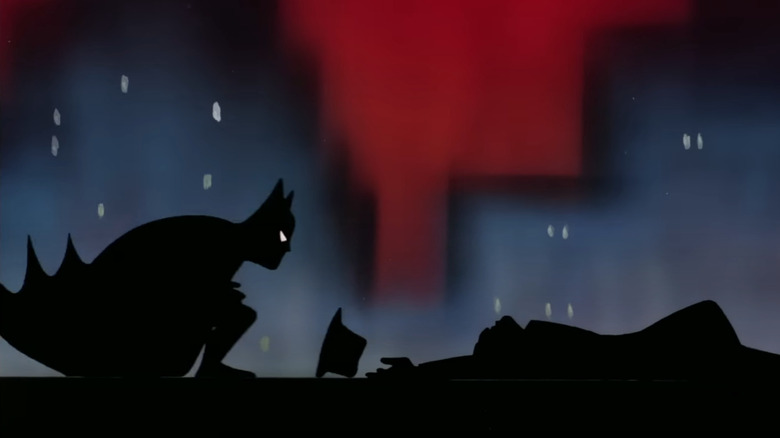
Dark Deco: How Batman: The Animated Series Redefined Noir
Remember rushing home after school, the anticipation building as you flipped on the TV? The screen flickered to life, and a brooding, angular figure stood silhouetted against a crimson moon. The haunting theme music swelled, and you were immediately transported to Gotham City. This wasn’t just a cartoon; this was Batman: The Animated Series.
More than just visually stunning, Batman: TAS fundamentally redefined noir for a new generation. It wasn’t just about trench coats and rain-slicked streets; it was about atmosphere, moral ambiguity, and the deep, echoing loneliness of its hero. The series masterfully wove together classic noir tropes with the fantastical elements of the Batman universe, creating a unique and enduring style that continues to influence storytelling today.
The Art of Darkness: Visualizing the Noir
The show’s distinctive aesthetic, dubbed “Dark Deco,” was revolutionary. Inspired by the Art Deco architecture of the 1930s and 40s, the artists intentionally utilized a limited color palette and stark, geometric shapes. Buildings loomed, shadows stretched, and the perpetual nighttime of Gotham City felt oppressively real. This visual style wasn’t just window dressing; it was integral to the noir atmosphere.
Think about episodes like “Heart of Ice,” which introduced Mr. Freeze as a tragic villain, not a monstrous one. The stark, frigid blues and whites used to portray his frozen lair reflected his emotional state, amplifying the sense of isolation and despair that defined his character. The visuals told a story as compelling as the dialogue, a hallmark of classic noir films.
This intentional aesthetic choice had a profound impact. Batman: TAS demonstrated that animation could be visually sophisticated and thematically mature. It paved the way for more adult-oriented animated series and proved that animation wasn’t just for kids. In the short-term, it captivated audiences with its unique look, earning critical acclaim and numerous awards. In the long-term, it set a new standard for animation and inspired countless artists and storytellers.
More Than Meets the Eye: Exploring Moral Ambiguity
Classic noir isn’t just about darkness; it’s about the shades of gray that exist within it. Batman: TAS excelled at exploring the moral complexities of its characters, both heroes and villains. Batman himself was a tortured figure, driven by a past trauma and forced to operate outside the law to achieve justice.
The villains were often portrayed with surprising depth and humanity. Poison Ivy, for example, wasn’t simply a plant-obsessed maniac; she was an eco-terrorist driven by a genuine desire to protect the environment, albeit through extreme measures. This nuanced portrayal of villains challenged viewers to question their own perceptions of good and evil, a key element of noir.
Episodes like “Harley and Ivy” perfectly illustrate this. While highlighting the toxic nature of Harley Quinn and Poison Ivy’s relationship, the episode also explores themes of female empowerment and societal disillusionment. By giving the villains compelling motivations, the series avoided simple black-and-white morality and delved into the complex motivations that drive individuals to extreme actions. This approach not only made the villains more compelling but also forced viewers to grapple with difficult questions about justice, morality, and the human condition.
The short-term impact was a more engaged audience, captivated by the depth and complexity of the characters. The long-term impact was a shift in the way animated villains were written, moving away from simplistic portrayals and towards more nuanced and relatable characters.
The Lonely Crusade: The Burden of the Hero
At the heart of every great noir story is a protagonist burdened by a dark past and facing seemingly insurmountable odds. Batman, in Batman: TAS, embodied this archetype perfectly. He was a solitary figure, haunted by the murder of his parents and driven by an unwavering commitment to justice.
The series emphasized the emotional toll that Batman’s crusade took on him. He was often shown isolated and alone, grappling with his own demons and questioning the effectiveness of his methods. This vulnerability made him relatable, even heroic despite his wealth and advanced technology.
Episodes like “Almost Got ‘Im” allowed viewers to see Batman through the eyes of his villains, offering glimpses into the psychological impact of his actions. The episode highlights the intense pressure and sacrifices Batman makes to protect Gotham, reinforcing the noir theme of the flawed hero who carries a heavy burden.
The short-term effect was a deeper connection with the character of Batman, seeing him as more than just a superhero. The long-term impact was a more nuanced understanding of heroism, acknowledging the sacrifices and emotional costs associated with fighting for what’s right.
Keeping the Darkness Alive: Lessons from Gotham
So, how can we learn from Batman: The Animated Series and apply its noir sensibilities to our own creative endeavors or simply appreciate its genius even more? Here are a few practical approaches:
- Embrace Visual Storytelling: Pay attention to the power of visuals in conveying mood and atmosphere. Use color, lighting, and composition to enhance the emotional impact of your work. Analyze the use of shadows and geometric shapes in Batman: TAS and experiment with similar techniques in your own photography, graphic design, or even interior decorating.
- Explore Moral Ambiguity: Challenge simplistic narratives and delve into the gray areas of human behavior. Create characters with complex motivations and explore the consequences of their actions. Consider how you can apply this to writing, character development, or even understanding real-world events.
- Don’t Shy Away from Vulnerability: Show the human side of your characters, even the heroes. Explore their flaws, fears, and insecurities. This will make them more relatable and engaging. Think about how you can incorporate vulnerability into your own communication style or relationships.
- Study the Masters: Watch classic noir films like The Maltese Falcon, Double Indemnity, and Touch of Evil. Analyze their storytelling techniques, visual style, and character development. Read noir literature by authors like Raymond Chandler and Dashiell Hammett.
- Revisit Batman: TAS: Watch the series again with a critical eye, paying attention to the details that make it so effective. Analyze the use of music, dialogue, and pacing in creating a noir atmosphere. Take notes and brainstorm ways to incorporate these elements into your own projects.
By embracing these techniques, we can ensure that the spirit of Batman: The Animated Series continues to inspire and influence generations to come.
A Beacon in the Night
Batman: The Animated Series wasn’t just a cartoon; it was a masterclass in storytelling, visual design, and character development. It redefined noir for a new audience and left an indelible mark on animation and popular culture. By understanding the techniques and themes that made Batman: TAS so successful, we can learn to appreciate its genius and apply its lessons to our own creative endeavors.
The darkness of Gotham may be fictional, but the lessons it teaches about morality, sacrifice, and the human condition are timeless and relevant. So, let us celebrate the legacy of Batman: The Animated Series and continue to explore the depths of its Dark Deco world. The night may be dark, but within it lies the potential for brilliance and profound storytelling. Let’s embrace that darkness and create our own beacons of light.
“`
