

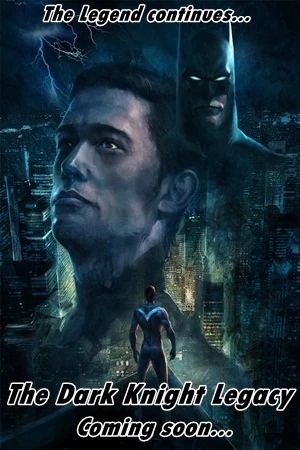
Batman Movies: Decoding the Dark Knight Legacy
Introduction
Ever since a bat first silhouetted against a full moon on the silver screen, Batman movies have been more than just superhero flicks. They’re cultural touchstones, reflecting our anxieties, our hopes, and our fascination with the duality of human nature. From campy adventures to gritty realism, each iteration of the Caped Crusader offers a unique perspective, contributing to a legacy that continues to evolve. But what is it about these films that has captivated audiences for generations? Let’s dive into decoding the Dark Knight’s cinematic journey and explore its lasting impact.
The Evolution of the Bat: A Cinematic Timeline
The journey began in 1966 with *Batman: The Movie*, a direct extension of the wildly popular TV series. Adam West’s portrayal was intentionally over-the-top, a colorful explosion of “BAMs!” and “POWs!” that defined Batman for a generation. It was pure escapism, a lighthearted adventure that catered to a simpler time.
Then came Tim Burton’s gothic vision in 1989. *Batman* wasn’t just a superhero movie; it was an *event*. Jack Nicholson’s Joker redefined the villain archetype, and Michael Keaton’s brooding portrayal of Bruce Wayne hinted at the darkness beneath the surface. This film demonstrated that Batman could be serious, complex, and even a little scary. Burton followed up with *Batman Returns* (1992), a darker, more operatic tale, solidifying his influence on the character’s cinematic direction.
The Joel Schumacher era, with *Batman Forever* (1995) and *Batman & Robin* (1997), swung back to a more vibrant, though often criticized, aesthetic. These films, starring Val Kilmer and George Clooney respectively, emphasized spectacle and star power but often sacrificed the narrative depth that had made Burton’s films so compelling.
Christopher Nolan’s *Dark Knight Trilogy* (2005-2012) changed the game. *Batman Begins* grounded the character in a plausible reality, exploring Bruce Wayne’s training and the origins of his crusade. *The Dark Knight* is widely considered a masterpiece, pitting Batman (Christian Bale) against Heath Ledger’s unforgettable Joker in a battle of ideologies. *The Dark Knight Rises* concluded the trilogy with an epic showdown, examining themes of hope and sacrifice in the face of overwhelming odds.
Most recently, Ben Affleck took on the cowl in *Batman v Superman: Dawn of Justice* (2016) and *Justice League* (2017), offering a more seasoned, battle-worn version of the hero. Robert Pattinson then stepped into the role in Matt Reeves’ *The Batman* (2022), a neo-noir detective story that emphasized Batman’s detective skills and psychological struggles.
Short-Term Impact: Box Office Blockbusters and Cultural Buzz
In the short term, each Batman movie release generates a tidal wave of excitement. The box office numbers speak for themselves – these films are guaranteed blockbusters. But beyond the financial success, they spark conversations.
- Media Frenzy: Trailers, interviews, and reviews dominate entertainment news cycles, creating a feverish anticipation.
- Merchandising Mania: From action figures to clothing lines, Batman movies fuel a vast merchandising empire.
- Social Media Buzz: Online forums explode with theories, criticisms, and fan art, reflecting the passionate engagement of the audience.
Long-Term Impact: Shaping Perceptions and Inspiring Creativity
The long-term impact of Batman movies is far more profound. They shape our understanding of the character, influence other films and media, and even inspire real-world actions.
- Defining the Character: Each actor’s portrayal leaves a lasting impression, contributing to the ever-evolving image of Batman. Keaton’s brooding intensity, Bale’s raw physicality, and Pattinson’s tortured soul all add layers to the character’s complexity.
- Genre Evolution: Nolan’s *Dark Knight Trilogy* redefined the superhero genre, demonstrating that these films could be intelligent, morally ambiguous, and deeply resonant.
- Inspiration and Influence: Batman’s story of overcoming tragedy and fighting for justice has inspired countless artists, writers, and filmmakers. His dedication to self-improvement and his unwavering commitment to his principles resonate with audiences of all ages.
Decoding the Legacy: What Makes Batman Endure?
So, why does Batman continue to captivate us? Several factors contribute to his enduring appeal:
- Relatability: Unlike many superheroes with superhuman powers, Batman is just a man. He relies on his intelligence, physical prowess, and technology to fight crime. This makes him more relatable, as we can imagine ourselves, with enough dedication and training, becoming something similar (minus the billionaire part, perhaps).
- Moral Ambiguity: Batman operates in a gray area. He’s not always a perfect hero. He breaks the law, uses fear as a weapon, and struggles with his own inner demons. This moral complexity makes him a more compelling and believable character.
- The Eternal Conflict: The battle between order and chaos, justice and corruption, is a timeless theme. Batman embodies this conflict, constantly fighting to maintain order in a city that seems determined to descend into anarchy.
- The Rogues Gallery: Batman’s villains are some of the most iconic and fascinating in comic book history. The Joker, Two-Face, the Penguin, and Catwoman each represent a different aspect of human darkness, challenging Batman’s ideals and forcing him to confront his own limitations.
Continuing the Legacy: Our Role as Viewers
As viewers, we’re not just passive consumers of Batman movies; we’re active participants in shaping their legacy. Here’s how we can engage with the Dark Knight’s world in a meaningful way:
- Critical Analysis: Don’t just watch the movies; analyze them. What themes are being explored? How does the director use visual storytelling? How does the film contribute to the overall mythology of Batman?
- Embrace Different Interpretations: Recognize that there’s no single “correct” version of Batman. Each film offers a unique perspective on the character, and it’s valuable to appreciate the strengths and weaknesses of each interpretation.
- Explore the Source Material: Dive into the comic books, graphic novels, and animated series that have shaped the character over the decades. This will give you a deeper understanding of Batman’s history and evolution.
- Support Quality Storytelling: By supporting well-crafted, thoughtful Batman movies, we encourage studios to invest in projects that push the boundaries of the genre and explore complex themes.
Conclusion: The Bat Signal Shines On
The legacy of Batman movies is a testament to the enduring power of storytelling. These films have entertained, inspired, and challenged us for generations. As the Dark Knight continues to evolve on the silver screen, it’s up to us to engage with his story in a meaningful way, celebrating his triumphs, grappling with his flaws, and ensuring that his legacy continues to inspire for years to come. The Bat-Signal shines on, beckoning us to explore the depths of human nature and fight for a better world, one movie at a time.
