

“`html
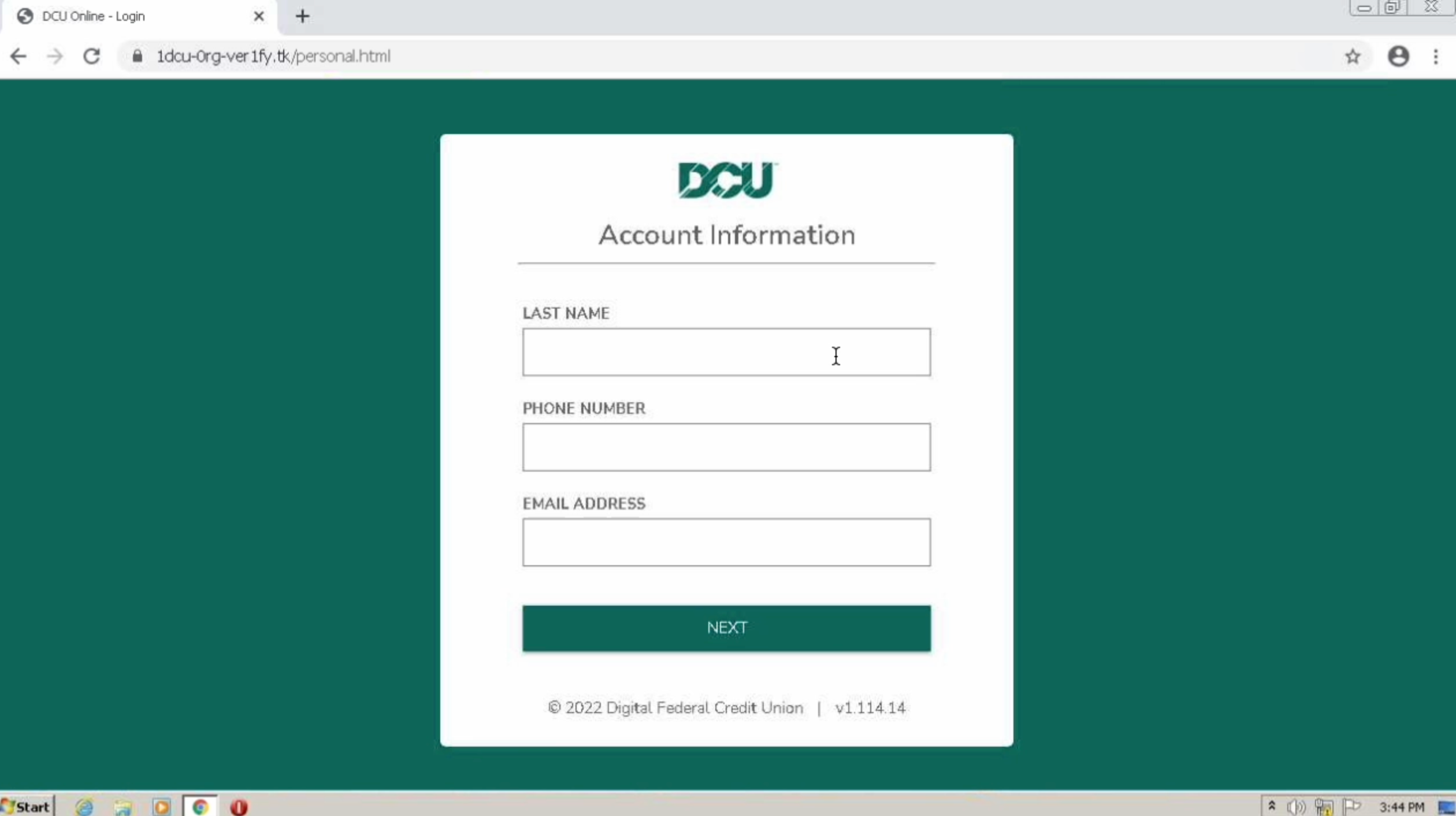
DCU Login: Your Gateway to Account Access Under Attack?
Introduction
We all have that mini-heart attack when we type in our username and password, hit enter, and…nothing. Or worse, the dreaded “incorrect password” message flashes back at us. It’s annoying, inconvenient, and, let’s face it, a little scary. When that happens with your DCU login, the feeling intensifies. After all, we’re talking about your financial life, your savings, your loans – basically, your hard-earned cash.
So, what’s the deal? Is your DCU login under attack? Not necessarily. But in today’s digital world, the possibility is very real, and it’s crucial to understand the risks and how to protect yourself. This isn’t just about the momentary frustration of being locked out; it’s about the potential short-term and long-term implications of a compromised account.
Explanation of the Problem
The Immediate Aftershock: Short-Term Impacts
Imagine this: You’re trying to pay a bill, transfer funds, or even just check your balance, and you can’t access your account. The short-term repercussions of a DCU login compromise can be immediately disruptive.
- Inconvenience and Stress: Let’s start with the obvious. Being locked out of your account is a pain. It throws off your schedule, causes unnecessary stress, and eats up valuable time.
- Missed Payments and Fees: If you’re relying on automatic payments tied to your DCU account, being locked out could lead to missed payments, late fees, and potentially a ding to your credit score.
- Immediate Financial Loss: In a worst-case scenario, a hacker could gain access and start transferring funds, making unauthorized purchases, or even applying for loans in your name. Time is of the essence in these situations.
The Long Game: Long-Term Consequences
While the immediate aftermath is stressful, the long-term effects of a compromised DCU account can be even more damaging and far-reaching.
- Damage to Credit Score: Unauthorized activity, such as fraudulent loans or missed payments, can severely impact your credit score, making it difficult to secure loans, rent an apartment, or even get a job.
- Identity Theft: A compromised DCU login can be a gateway for identity theft. Hackers can use your information to open fake accounts, file fraudulent tax returns, and wreak havoc on your financial life for years to come.
- Erosion of Trust: A security breach can shake your confidence in online banking and financial institutions. Rebuilding that trust can be a slow and challenging process.
- Legal and Financial Battles: Rectifying the damage caused by identity theft can involve lengthy and expensive legal battles and financial investigations.
Okay, so we’ve established that a compromised DCU login is a serious issue. But don’t panic! The good news is that there are concrete steps you can take to protect yourself.
Solutions
Think of securing your DCU login as building a digital fortress. The stronger the walls, the better protected you are. Here are some practical solutions to reinforce your defenses:
- The Password Power-Up:
- Go Beyond “Password123”: This seems obvious, but you’d be surprised. Avoid using easily guessable information like your birthday, pet’s name, or address.
- Embrace Complexity: Aim for a password that’s at least 12 characters long and includes a mix of upper and lowercase letters, numbers, and symbols.
- Password Managers Are Your Friend: Tools like LastPass, 1Password, and Dashlane can generate and store strong, unique passwords for all your online accounts, including your DCU login. This eliminates the need to remember dozens of complex passwords.
- Regular Password Updates: Change your DCU password every few months. It’s a simple step that can significantly reduce your risk.
- Two-Factor Authentication (2FA): The Double Lock
- Activate 2FA: DCU, like most modern financial institutions, likely offers two-factor authentication. This adds an extra layer of security by requiring a second verification method, such as a code sent to your phone, in addition to your password. Even if a hacker gets your password, they won’t be able to access your account without the second factor.
- Authenticator Apps vs. SMS: While SMS-based 2FA is better than nothing, consider using an authenticator app like Google Authenticator or Authy. These apps generate unique codes on your device, making them more secure than SMS, which can be intercepted.
- Phishing Awareness: Spotting the Scams
- Be Suspicious of Unexpected Emails: Phishing emails are designed to trick you into giving away your login credentials. Be wary of emails that ask you to click on links or provide personal information, especially if they’re unexpected or contain grammatical errors.
- Verify Links Before Clicking: Before clicking on any link in an email, hover your mouse over it to see the actual URL. If it doesn’t look legitimate, don’t click it.
- Never Share Your Password: DCU will never ask you for your password via email or phone. If someone claiming to be from DCU asks for your password, it’s a scam. Report it immediately.
Case Study: A local resident, Maria, received an email that looked identical to a DCU communication. It stated that her account had been compromised and she needed to click a link to verify her information. Luckily, Maria remembered reading about phishing scams and contacted DCU directly. It turned out the email was fraudulent, and Maria avoided a potential disaster.
- Secure Your Devices: The Foundation of Your Security
- Keep Your Software Updated: Regularly update your operating system, web browser, and antivirus software. These updates often include security patches that protect against the latest threats.
- Use a Reputable Antivirus Program: Invest in a reliable antivirus program and keep it running in the background.
- Avoid Public Wi-Fi: Public Wi-Fi networks are often unsecured, making them vulnerable to hackers. Avoid accessing your DCU account or other sensitive information on public Wi-Fi. If you must use public Wi-Fi, use a VPN (Virtual Private Network) to encrypt your internet traffic.
Alternative Approaches: Tailoring Security to Your Needs
Not every solution works for everyone. Here are a few alternative approaches to consider, depending on your comfort level and technical expertise:
- Biometric Authentication: If your device supports it, consider using fingerprint or facial recognition to access your DCU account. This adds an extra layer of security and convenience.
- Dedicated Banking Device: For extra security, you could dedicate a separate device (like an old tablet or laptop) solely for online banking. This reduces the risk of malware or other threats compromising your banking session.
- Regular Account Monitoring: Monitor your DCU account activity regularly for any suspicious transactions. Set up alerts for large withdrawals or transfers. The sooner you detect fraudulent activity, the sooner you can report it and minimize the damage.
Conclusion
Securing your DCU login is not a one-time task; it’s an ongoing process. By implementing these practical solutions and staying vigilant, you can significantly reduce your risk of falling victim to online fraud and protect your financial future.
The digital world can feel overwhelming at times, and the constant threat of cyberattacks can be daunting. But remember, you’re not powerless. By taking proactive steps to secure your DCU login and stay informed about the latest security threats, you can reclaim control and build a stronger digital fortress.
Don’t wait until it’s too late. Take action today. Review your password, enable two-factor authentication, and educate yourself about phishing scams. The peace of mind that comes with knowing you’ve taken steps to protect your financial security is priceless. You’ve got this!
“`
