

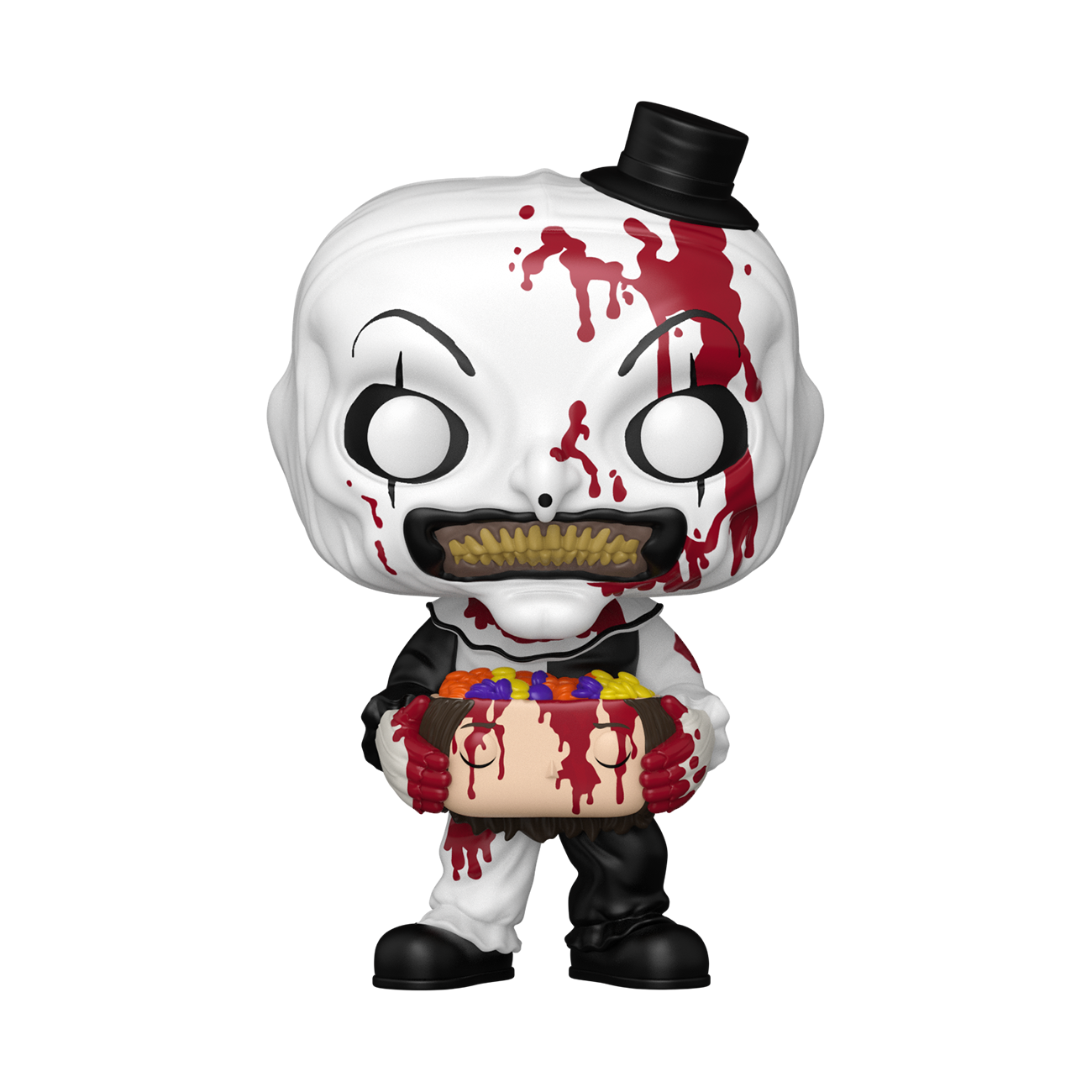
Art the Clown’s Funko Pop: Nightmare Fuel in Vinyl Form
The Allure of the Unsettling: Why Art the Clown Works
Okay, horror fans, let’s be real. Some characters are just inherently… unsettling. And Art the Clown, the perpetually grinning harbinger of chaos from the *Terrifier* franchise, is definitely one of those. He’s a silent, sadistic mime who makes Pennywise look like a children’s party entertainer. So, when Funko announced an Art the Clown Pop! figure, the internet collectively braced itself. Was this going to be a collector’s dream? Or a chilling reminder of things that go bump in the night… and then brutally mutilate you?
The answer, as with most things Art, is a deliciously terrifying “both.”
Before we dive into the vinyl version of our favorite nightmare fuel, let’s unpack why Art the Clown resonates so strongly. It’s not just the gore (though let’s be honest, the gore is… memorable). It’s the sheer, unadulterated unpredictability. He operates outside of any logic, driven by an unseen, unknowable malevolence. He’s a blank canvas onto which our deepest fears are projected. He embodies the unsettling feeling that anything, at any time, can go horribly wrong.
And that, my friends, is a potent cocktail for a compelling horror villain.
The Funko Pop: Capturing the Chaos
Now, imagine translating that essence into a roughly four-inch vinyl figure. It’s a challenge, to say the least. Funko Pops, by their very nature, are designed to be cute, collectible, and generally innocuous. How do you take a character like Art, strip away the overt violence (thankfully), and still capture the disturbing core?
Surprisingly well, it turns out. The Art the Clown Funko Pop typically features his signature black and white clown makeup, his menacing grin, and his beady, unsettling eyes. It’s a simplified version, sure, but the core elements of his unsettling presence remain. And that’s where the short-term and long-term impact kicks in.
Short-Term Shock and Awe
In the short term, the Art the Clown Funko Pop elicits a visceral reaction. It’s a jolt. You see it on the shelf, and you immediately think, “Whoa, that’s… intense.” It’s the kind of figure that might make a non-horror fan do a double-take, and it’s definitely not something you’d want to leave next to a child’s bed. The initial impact is one of surprised recognition and perhaps a touch of unease.
This is also where the “cool” factor comes into play. Horror fans are drawn to the things that scare them. Owning an Art the Clown Funko Pop is a way of embracing the macabre, of proudly displaying your appreciation for the extreme. It’s a conversation starter, a badge of honor in the horror community.
Long-Term Lurking Dread
But the long-term impact is where things get truly interesting. Unlike a Freddy Krueger or Jason Voorhees figure, Art the Clown lingers. His unsettling expression, that perpetual grin, burrows into your subconscious. He becomes a silent observer, a constant reminder of the darkness that lurks just beneath the surface.
Imagine having him perched on your desk, watching you work. Or tucked away on a shelf, just visible in the periphery. Over time, that initial shock wears off, but the underlying unease remains. He’s not actively threatening you, but he’s always… there.
This is the true genius (and perhaps, the true horror) of the Art the Clown Funko Pop. It’s not just a collectible; it’s a carefully crafted piece of psychological art.
The Potential Problems: When Nightmare Fuel Becomes Too Real
However, the success of this figure also raises some potential problems.
- Normalization of Violence: Art the Clown represents extreme violence. While the Pop figure itself is not violent, it can contribute to the normalization of violence as entertainment. This can be especially concerning for younger audiences who might not fully understand the context.
- Desensitization: Constant exposure to violent imagery, even in simplified forms, can lead to desensitization. This can diminish empathy and increase tolerance for real-world violence.
- Anxiety and Nightmares: The unsettling nature of Art the Clown can trigger anxiety or nightmares, particularly in individuals who are already prone to these issues.
Practical Solutions to Mitigate the Impact
So, how can we enjoy the macabre charm of Art the Clown without succumbing to these potential pitfalls? Here are some practical solutions:
- Contextualize and Discuss: If you have children or younger siblings who are exposed to the figure, take the time to discuss the nature of the character and the fictional context of his violence. Explain that it is not real and that violence is not acceptable in real life. Encourage critical thinking about the media they consume.
- Limit Exposure: Be mindful of how much time you spend looking at or interacting with the figure, especially if you find it particularly disturbing. Consider displaying it in a less prominent location or rotating it out of your display on a regular basis.
- Counterbalance with Positive Content: Balance your exposure to dark or violent content with positive and uplifting media. This can help maintain a healthy perspective and prevent desensitization.
- Practice Mindfulness and Self-Care: If you find the figure triggering anxiety or nightmares, practice mindfulness techniques such as meditation or deep breathing exercises. Prioritize self-care activities such as spending time in nature, engaging in hobbies, or connecting with loved ones.
Alternative Approaches
Here are some alternative approaches that can help manage the potential negative effects:
- Art Therapy: Use art as a tool to explore your feelings about the character. Create your own artwork inspired by Art the Clown, but focus on processing your emotions and anxieties rather than simply replicating the violence.
- Support Groups: Connect with other horror fans who share similar concerns. Discuss your experiences and strategies for managing the potential negative effects of the genre.
- Professional Help: If you find that the figure is significantly impacting your mental health, consider seeking professional help from a therapist or counselor.
Case Studies
- A study on the effects of violent video games showed that excessive exposure can lead to increased aggression and decreased empathy. While the Art the Clown Funko Pop is not a video game, the principle applies: moderation is key.
- Art therapists have used horror themes in therapy sessions to help clients confront and process their fears. This approach demonstrates that even disturbing content can be used in a constructive and therapeutic way.
Embrace the Darkness, Responsibly
The Art the Clown Funko Pop is a testament to the power of horror. It’s a reminder that even in the most unsettling characters, there can be a strange allure, a twisted form of beauty. But it’s also a call to be mindful, to be aware of the potential impact of the media we consume.
So, go ahead, embrace the darkness. Collect your creepy clowns and your monstrous mayhem. But do it with a critical eye, a balanced perspective, and a commitment to self-care. Because in the end, the true horror lies not in the vinyl figure, but in the potential for our own minds to be consumed by the darkness.
Let’s keep the horror fun, keep it engaging, but most importantly, keep it responsible. And remember, even Art the Clown can’t scare us if we face him with knowledge, awareness, and a healthy dose of self-compassion. Now go forth and collect… responsibly!
