

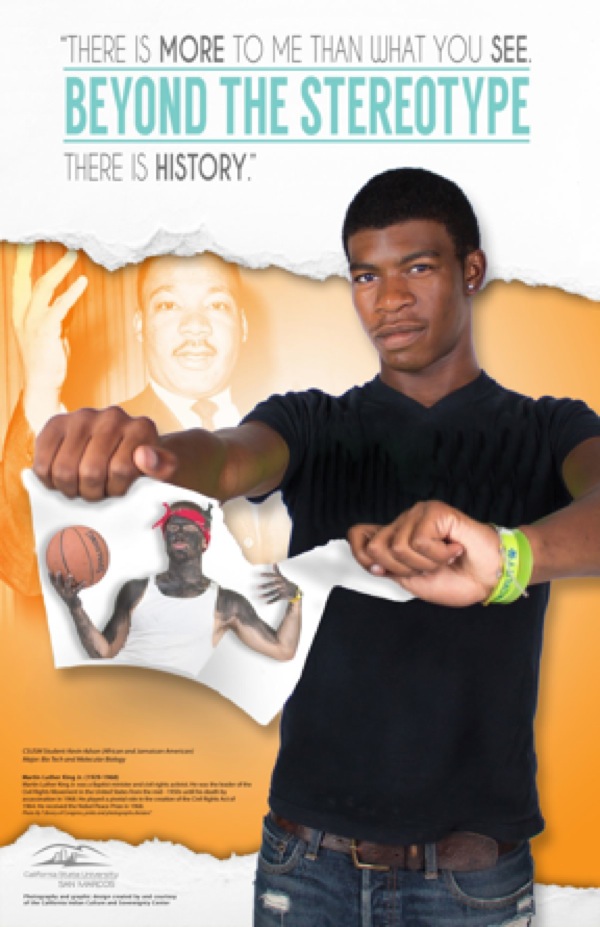
Black Characters: Beyond the Stereotype
Introduction
Ever watched a movie or read a book and felt like you’d seen that character before? The sassy best friend, the hyper-masculine athlete, the wise old sage? These characters, often Black, can feel less like individuals and more like recycled tropes. But why does this matter, and what can we do about it?
For decades, media has painted Black characters with a broad brush, often relying on harmful stereotypes that limit their complexity and humanity. This isn’t just a matter of representation; it has tangible effects on how we see ourselves and how others see us.
Explanation of the Problem: A Legacy of Limitation
The problem of stereotypical portrayals of Black characters is multifaceted, stemming from historical biases and systemic inequalities within the entertainment industry. These stereotypes can be broadly categorized as:
- The Mammy:A nurturing, overweight, and often desexualized Black woman devoted to serving white families.
- The Magical Negro:A Black character whose sole purpose is to guide or help white protagonists, often possessing mystical or unexplained knowledge.
- The Thug/Gangster:A hyper-masculine, violent, and often criminal figure, perpetuating the image of Black men as dangerous.
- The Sassy Best Friend:A Black woman whose primary role is to provide comic relief or support to a white protagonist, often lacking depth or her own storyline.
- The Athlete:A Black character defined solely by their athletic ability, reducing them to a physical specimen rather than a complex individual.
Short-Term and Long-Term Impacts:
The ramifications of these stereotypes are far-reaching. In the short term, they can lead to:
- Limited Opportunities:Black actors may be pigeonholed into playing stereotypical roles, hindering their career growth and preventing them from showcasing their full range of talent.
- Internalized Bias:Constant exposure to these images can lead to Black individuals internalizing negative stereotypes, impacting their self-esteem and aspirations.
- Microaggressions:Stereotypical portrayals can fuel microaggressions in everyday life, as people unconsciously project these expectations onto Black individuals.
The long-term consequences are even more profound:
- Perpetuation of Systemic Inequality:Media representations shape public perception, which in turn influences policy and decision-making. Stereotypes can reinforce discriminatory practices in areas such as education, employment, and the criminal justice system.
- Erosion of Identity:When Black individuals are consistently portrayed in a limited and negative light, it can erode their sense of identity and belonging.
- Lack of Empathy:Stereotypes dehumanize Black people, making it harder for others to empathize with their experiences and understand their perspectives.
Solutions: Breaking the Mold
Fortunately, there are several ways we can move beyond stereotypes and create more authentic and nuanced portrayals of Black characters:
- Demand Better Representation:
- Be Vocal:Use social media, write reviews, and engage in conversations to express your desire for more diverse and complex characters.
- Support Black Creators:Seek out and support films, TV shows, books, and other media created by Black artists and storytellers.
- Example:The success of films like “Black Panther” and “Get Out,” both written and directed by Black filmmakers, demonstrates the power of diverse storytelling and the demand for authentic representation.
- Diversify the Writers’ Room:
- Advocate for Inclusion:Encourage media companies to prioritize diversity in their hiring practices, particularly in writers’ rooms and creative leadership positions.
- Support Mentorship Programs:Invest in programs that mentor and support aspiring Black writers and filmmakers.
- Example:Shonda Rhimes, creator of “Grey’s Anatomy” and “Scandal,” is known for her commitment to diversity both on and off screen, creating opportunities for Black writers, actors, and directors.
- Challenge Stereotypes in Storytelling:
- Subvert Expectations:Intentionally create characters that defy stereotypical tropes. Give them complex motivations, flaws, and vulnerabilities.
- Focus on Individuality:Emphasize the unique experiences and perspectives of each character, rather than relying on generalizations.
- Example:Issa Rae’s “Insecure” provides a refreshing take on Black womanhood, portraying characters with relatable struggles, ambitions, and relationships.
- Promote Media Literacy:
- Educate Yourself:Learn about the history and impact of racial stereotypes in media.
- Engage in Critical Analysis:When consuming media, question the portrayals of Black characters and consider the messages they convey.
- Example:Organizations like the National Association for Media Literacy Education (NAMLE) offer resources and training to help individuals develop critical media literacy skills.
- Support Independent Media:
- Seek Out Alternative Voices:Explore independent films, documentaries, and web series that offer diverse perspectives and challenge mainstream narratives.
- Donate to Independent Filmmakers:Support crowdfunding campaigns and initiatives that empower Black artists to tell their own stories.
- Example:Ava DuVernay’s ARRAY is a distribution collective dedicated to amplifying films by people of color and women filmmakers.
Alternative Approaches:
- Community Engagement:Organize film screenings, book clubs, and discussions that focus on representation and diversity in media.
- Educational Initiatives:Partner with schools and community organizations to develop curriculum that promotes media literacy and critical thinking about race and representation.
- Industry Advocacy:Support organizations that advocate for diversity and inclusion within the entertainment industry, such as the NAACP and Color of Change.
Conclusion: A Future of Authentic Representation
The journey toward authentic representation of Black characters is ongoing, but it’s a journey worth taking. By demanding better stories, supporting Black creators, and challenging stereotypes, we can create a media landscape that reflects the richness and diversity of the Black experience. This is not just about being “politically correct”; it’s about fostering a more just and equitable society where everyone feels seen, valued, and empowered.
Let’s commit to being active participants in this change. Let’s use our voices, our wallets, and our platforms to uplift Black stories and challenge the stereotypes that have held us back for too long. The future of representation is in our hands, and together, we can create a world where Black characters are finally seen beyond the stereotype.
